
pool salt cell replacement(Compatible with Hayward, Jandy & More)
Leading salt pool chlorinator cells Manufacturers in China
Welcome to CENTURY, a China-based salt cell manufacturer serving pool water treatment applications. We focus on practical water-treatment solutions for commercial and residential pool projects. Our salt pool chlorinator cells are intended for buyers who need a defined product range, technical review, and project-based supply. If you are evaluating salt pool chlorinator cells for distribution, service, or OEM/ODM programs, CENTURY can review the required cell reference, operating conditions, and customization scope.
- Available for pool capacities ranging from 15,000 to 40,000 gallons, with custom solutions available for larger pools.
- Highly customizable to match any specifications for Hayward, Jandy, and other generic salt cell brands.
- Premium Ruthenium-Iridium (Ru-Ir) coating for extended lifespan.
- Through customization, it achieves compatibility with mainstream pool plumbing and control panels.
FACTORY DIRECT SALES
ECONOMICAL PRICING OPTIONS
QUICK TURNAROUND
EXCELLENT CUSTOMER SERVICE
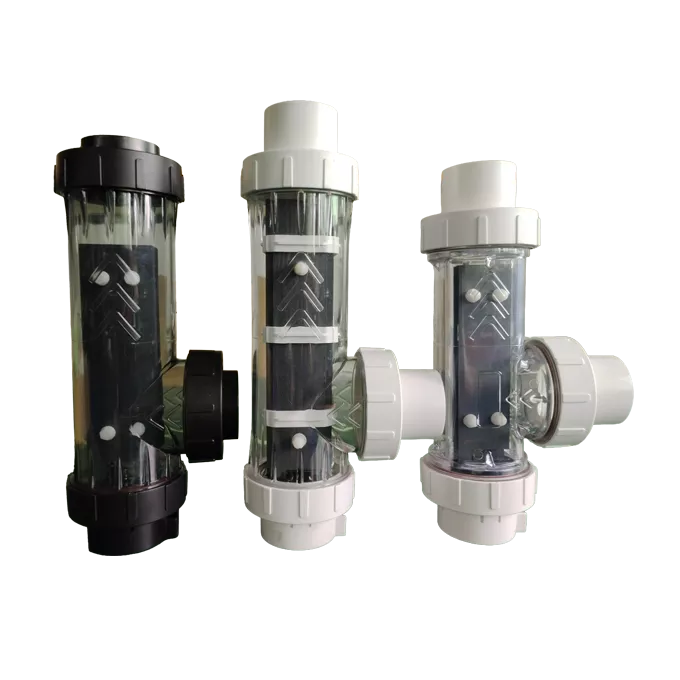
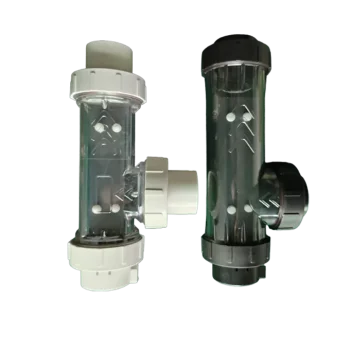
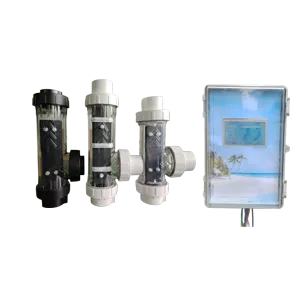
CENTURY's salt cell for sale
CENTURY supplies salt cell products for new pool projects, replacement programs, and pool service inventories. Buyers can review standard or project-specific requirements for capacity, controller interface, housing, electrodes, and packaging. ODM/OEM requests should be confirmed through a written specification, sample review, and quotation.
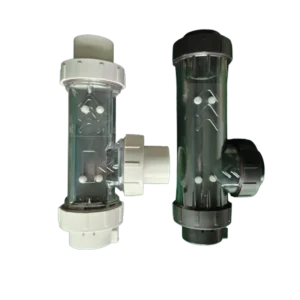
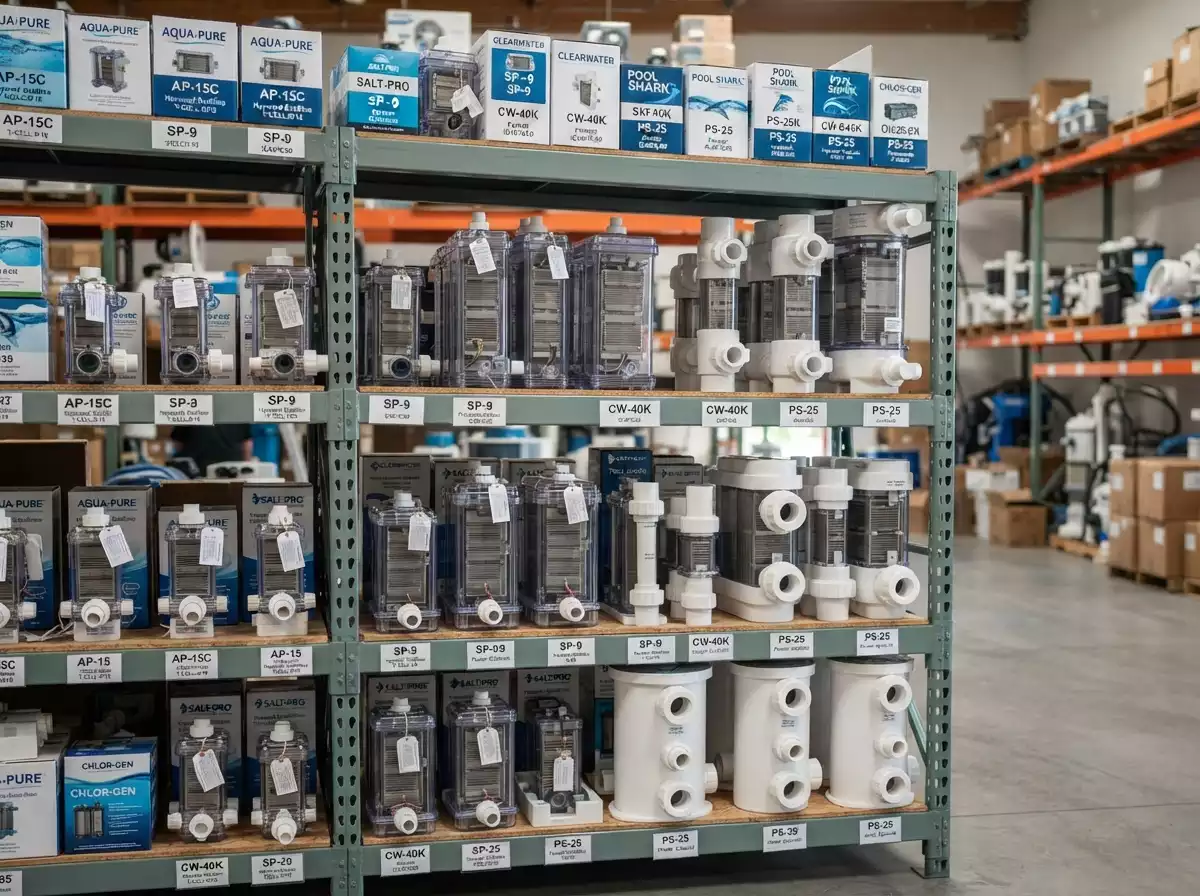
Wholesale Jandy Salt Cell Replacement | AquaPure Compatible
Looking for a high-grade Jandy Salt Cell Replacement? This aftermarket cell features a rugged transparent/solid housing and premium titanium plates, ensuring your AquaPure® systems run flawlessly without the premium OEM price tag.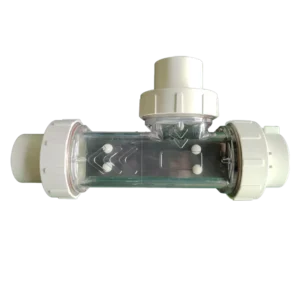
Hayward T-Cell-5 Salt Cell Replacement | 20,000 Gallon
An ideal balance of performance and affordability for standard backyard pools up to 20,000 gallons. It guarantees crystal clear water and is fully compatible with existing control boards.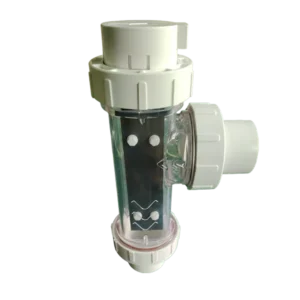
Hayward T-Cell-3 & T3 Salt Cell Replacement | 15,000 Gallon
Compact yet powerful, this 15k gallon salt cell is specifically built for smaller pools and above-ground applications. It is the ultimate salt cell for 15,000 gallon pool upgrades, saving maintenance costs for end-users.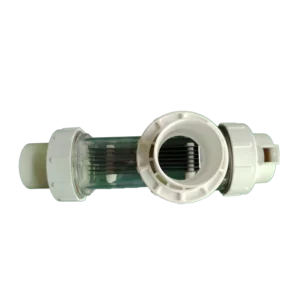
Hayward T9 & T-Cell-9 -Salt Cell Replacement | 25,000 Gallon
This highly efficient 25k gallon salt cell is engineered for mid-sized pools. If your clients need a reliable salt cell for 25000 gallon pool setups, this model provides excellent chlorine generation efficiency and value.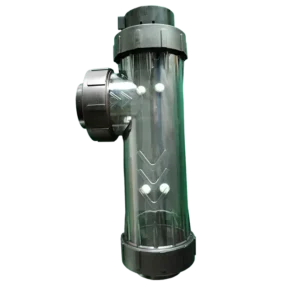
Wholesale T-CELL-15 & T15 Salt Cell | Hayward® Compatible
Designed for large residential or commercial pools, this 40k gallon salt cell delivers maximum chlorine output. It is the perfect salt cell for 40,000 gallon pool systems, offering seamless drop-in replacement and long-lasting durability.
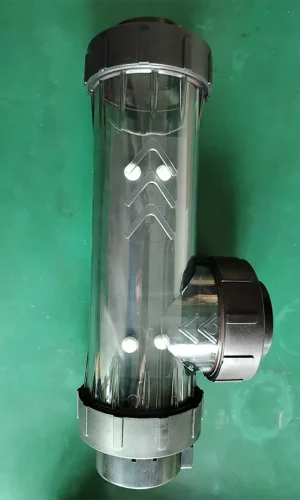
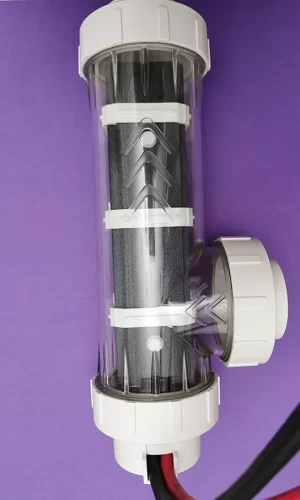
By Salt Cell Color
By Pool Capacity
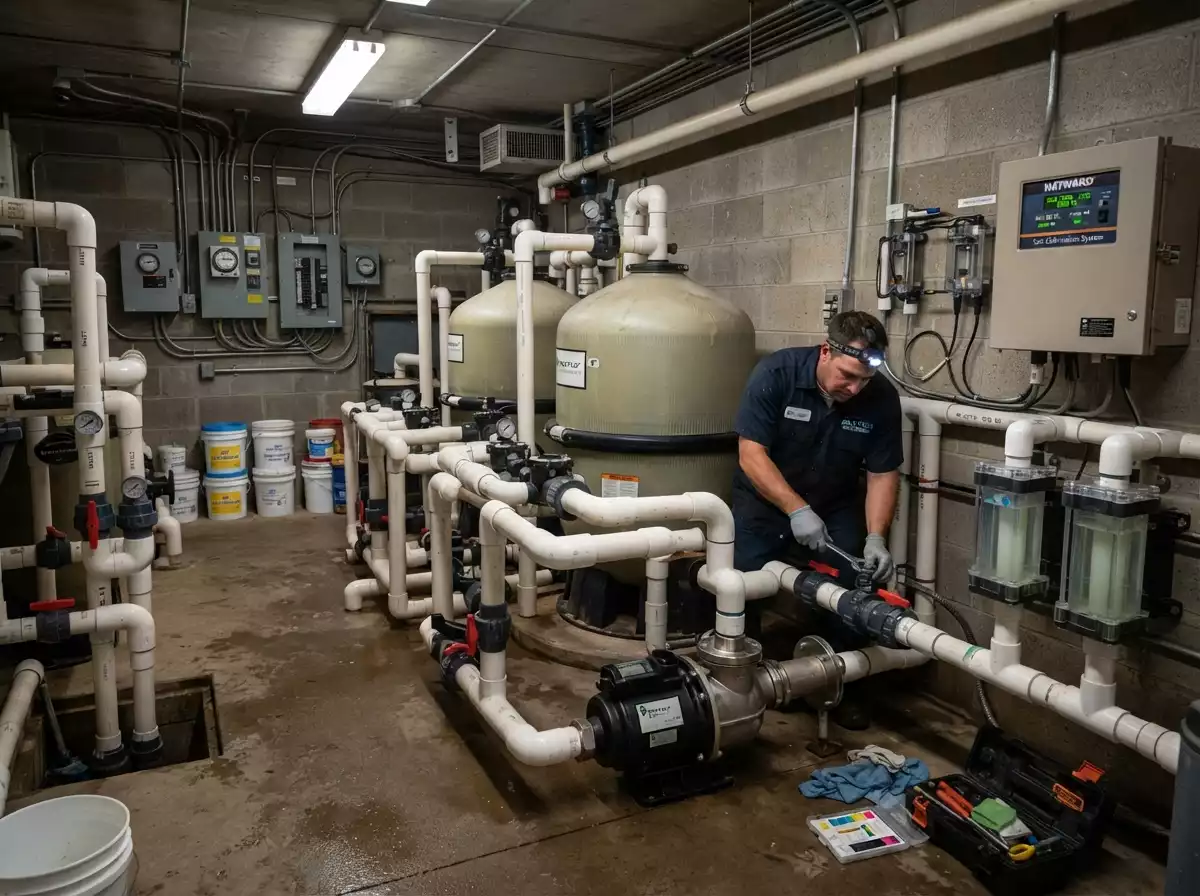
Role of a salt water pool chlorinator cell in a Pool Water Treatment System
- Pool Water Collection and Return: Pool water enters the return line through wall skimmers, which collect floating debris, leaves, and oils, and through the main drain. In overflow-pool systems, return water first enters a balance tank to stabilize the water level and buffer changes in flow.
- Prefiltration: Return water first passes through a hair-and-lint strainer that captures hair, leaves, fibers, and other large debris. This protects the circulation-pump impeller and provides the first coarse-filtration stage.
- Circulation Pump: The pump moves water through the treatment loop and provides the pressure required to feed the filter. A variable-speed pump can adjust flow to the pool's circulation schedule.
- Media Filtration: Pressurized water passes through a sand, diatomaceous-earth, or cartridge filter. The filter captures flocs, suspended solids, dust, and oils within the media or filter element
- Filter Backwashing: When differential pressure reaches the specified limit, reverse flow removes accumulated material from the filter media. The waste stream is discharged, and the filter is returned to its normal operating position after rinsing.
- Disinfection: The salt water pool chlorinator cell receives circulating saline water through the salt cell electrode chamber. With confirmed flow and the specified controller input, electrolysis forms chlorine-based sanitizer for the pool. The flow sensor or switch should permit operation only when adequate circulation is present.
- pH and Water-Quality Control Online instruments can monitor pH, free chlorine, and ORP. Metering pumps may dose acid or alkali to maintain the project setpoint. A pH range of 7.2-7.6 is commonly referenced for pool operation, but final control limits should follow the applicable operating standard and site water conditions.
- Return of Treated Water to the Pool: Treated water is routed through return piping to floor or wall inlets and distributed back into the pool. The circulation system repeats this process to turn over the pool water at the required rate.
- Make-Up Water and Loss Compensation: Evaporation, splash-out, and backwashing reduce pool water volume. A make-up water arrangement restores the specified operating level according to the pool-system design.
Parameters to Confirm When Sourcing a Salt Water Pool Cell Replacement
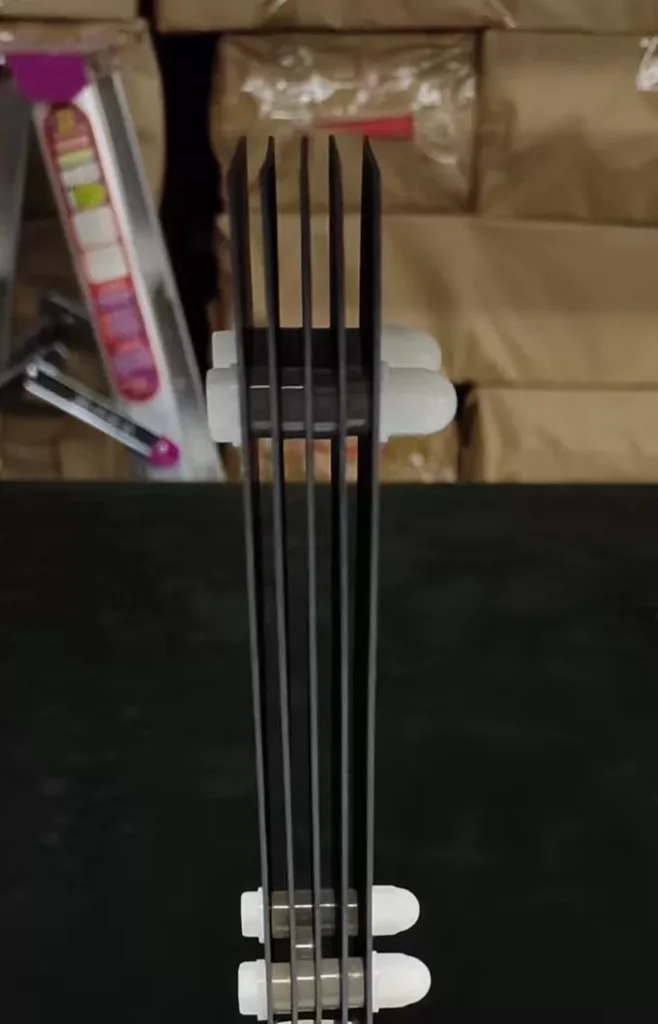
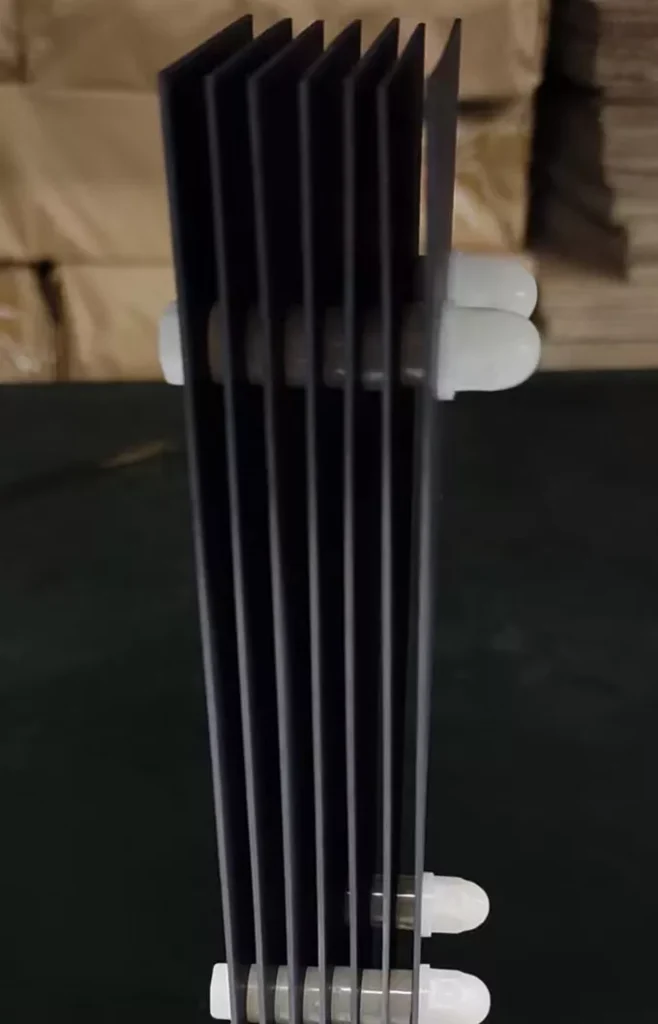
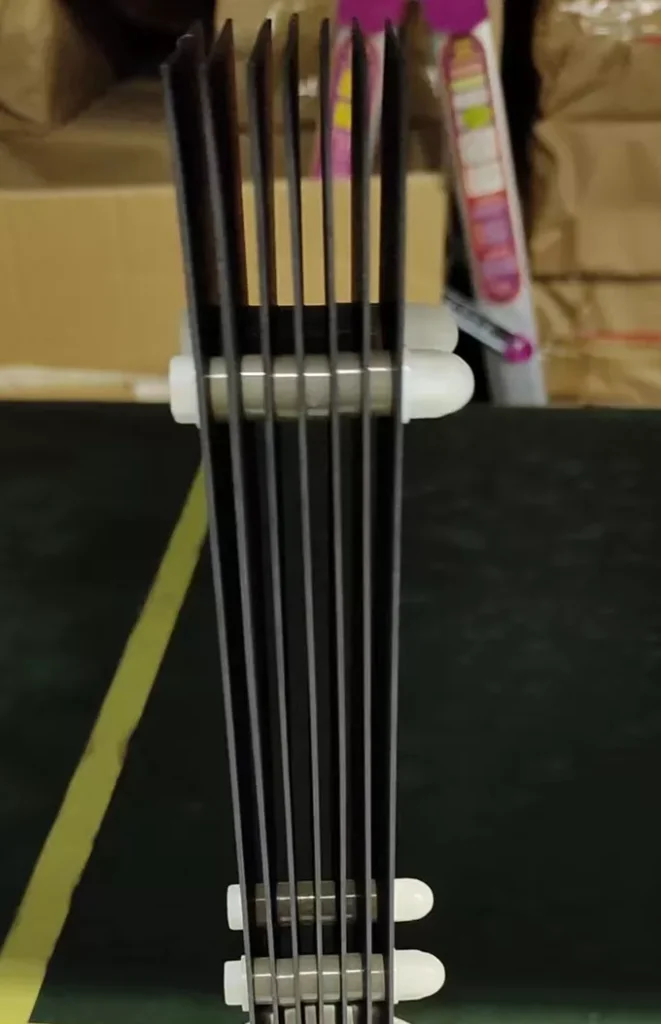
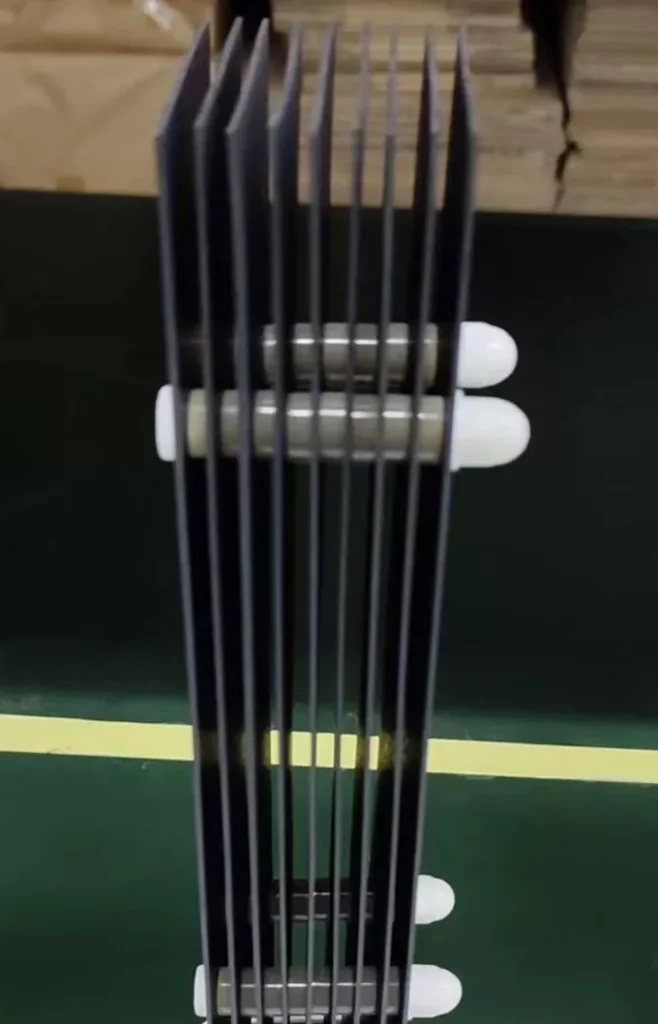
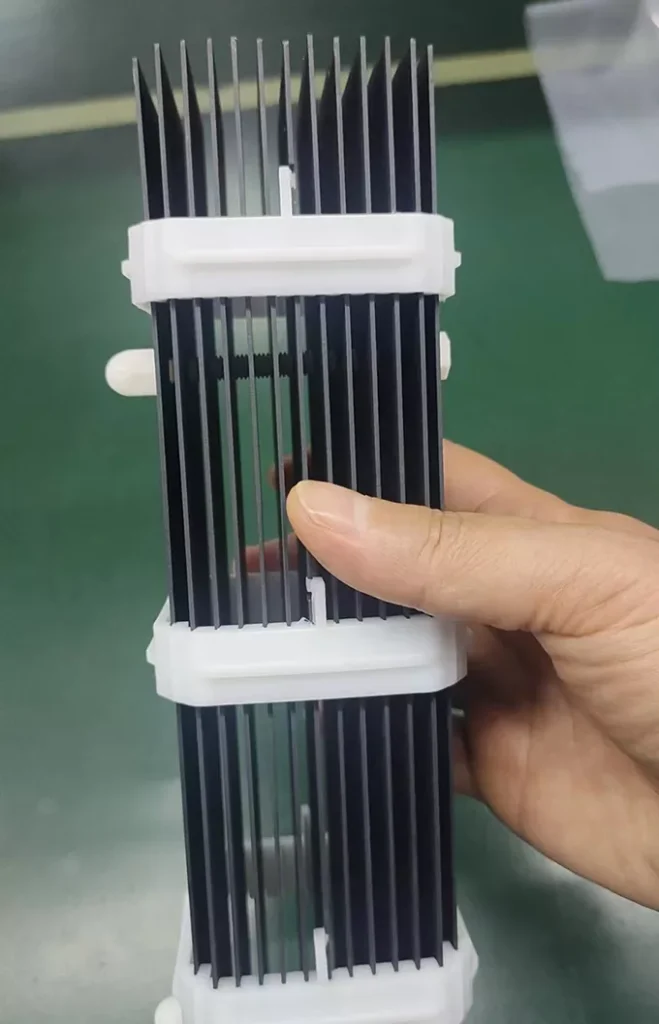
- Electrode Plates: Confirm the number of plates, plate dimensions, electrode spacing, and series/parallel configuration so the cell can be reviewed against the existing power supply.
- Sensors: Confirm the original sensor interface, its function, and whether the sensor is integrated into the cell assembly.
- Cable and Connector Type | Aviation connector: model and pin count. Bare-bolt terminals: bolt specification and terminal spacing. Cable lead: cable length and conductor sequence; polarity must not be reversed.
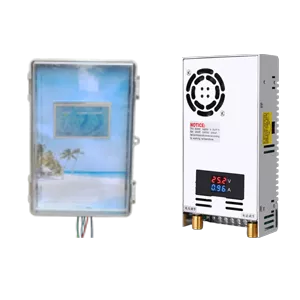
- Power Supply: Confirm whether the controller uses constant-current or constant-voltage output, together with the required voltage and current.
- Maximum Chlorine Output(g/h): Record the original cell output and the pool volume. The proposed output should be reviewed against the controller, the original system specification, and the application's chlorine demand.
- Salinity Range: 2500-4000ppm for residential use and 3000-6000ppm for commercial use. Confirm the permitted range for the specific controller, salt cell, and system design before ordering.
- Rated Operating Life: Request the basis, operating assumptions, and available validation for any stated service-life hours. Compare supplier prices only after the coating specification, operating conditions, warranty, and quoted scope are aligned.
- Plumbing Connection: Confirm 1"/1.5"/2" interfaces, union details, and whether the project uses imperial or metric plumbing.
Century Replacement Salt Cells vs. Other Supplier Proposals
Use this chart to compare written proposals on the same requirement set. The middle column summarizes information Century currently publishes; it is not a substitute for an order-specific specification. The final column lists evidence that a buyer should request from any supplier so the comparison remains technical, documented, and like for like.
| Comparison Point | Century Published Information | What Buyers Should Verify in Any Supplier Quote |
|---|---|---|
| Pool-capacity options | Century pages associate CT-TC3, CT-TC5, CT-TC9, and CT-TC15 with pools up to 15,000, 20,000, 25,000, and 40,000 gallons. The CT-TC2/14 page identifies 12,000- and 40,000-gallon applications. | Confirm how the capacity was assigned, the assumed operating conditions and chlorine demand, and whether the quoted cell is supported by the proposed controller. |
| Electrode materials | Century product pages list titanium electrode material with a ruthenium-iridium coating. Its capabilities page also describes Grade 1/2 titanium processing and MMO coating systems such as ruthenium-iridium and iridium-tantalum. | Request the substrate grade, coating family, electrode configuration, applicable specification, and any inspection or validation information available for the quoted model. |
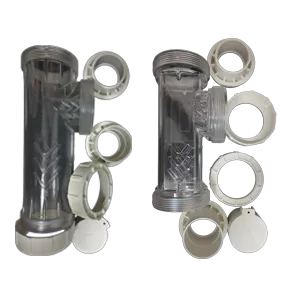
| Cell housing | Century product pages list transparent PC/acrylic housings, and selected pages describe clear or custom-tinted housing options. Century also publishes plastic injection molding and custom tooling capabilities. | Verify housing material, dimensions, unions or ports, connector protection, color, pressure limits, and whether the quoted housing is standard or project-specific. |
| Customization | Century publishes options for chlorine-output and service-life targets, ports and plumbing, electrode architecture, housing form factors or colors, model identification, private labeling, and packaging review. | Separate standard choices from engineered changes. Confirm minimum order, tooling, samples, validation responsibilities, drawing approval, lead time, labeling, and ownership of custom tooling or files. |
| Quote documentation | For a like-for-like review, Century should receive the installed cell and controller references, photos, pool/application data, interface details, quantity, destination. | Give every supplier the same controlled requirement set, then compare stated deviations, included documentation, testing, warranty terms, packaging, freight basis, lead time, and total quoted scope. |
How Salt cell Electrolysis Produces Sodium Hypochlorite During Pool Disinfection
Salt Cell Operating Principle for Sodium Hypochlorite Generation in Pool Water
A Salt cell is the electrolytic core of a salt chlorination system. It uses titanium electrode plates with an MMO coating and is installed in the pool circulation line. The pump moves saline water through the cell while the controller supplies low-voltage direct current. The electrochemical process forms active chlorine species in the water, including HOCl and NaClO.
- Salt Dissociation: NaCl dissolves in the pool water and dissociates into Na+ and Cl-: NaCl=Na++Cl-. The general salt concentration of 2700-4500ppm; the permitted range must be confirmed for the installed controller and cell.
- Water Enters the Salt cell Chamber: The circulation pump sends saline pool water through the salt cell while the controller applies low-voltage direct current to the titanium electrode assembly. Anodes and cathodes are arranged across the flow path so water passes between the plates.
- Oxidation at the Anode: Cl- migrates to the anode and loses electrons, forming Cl2. The titanium substrate and ruthenium-iridium oxide coating support the electrochemical reaction and should be specified for the intended operating conditions.
- Reduction at the Cathode: Water gains electrons at the cathode, producing H2 and OH-. OH- can combine with Na+ to form NaOH. The local pH near the cathode rises, which can contribute to calcium scale; compatible systems may use polarity reversal to help manage scale formation.
- Secondary Reaction in the Cell: Cl2 formed at the anode reacts in the electrolyte with NaOH formed at the cathode, producing NaClO and sodium chloride. In water, NaClO establishes an equilibrium that includes HOCl, the active sanitizing species returned to the pool with the circulating water.
- Post-Disinfection Cycle: After HOCl reacts with microorganisms and other contaminants, chloride remains in the water and can participate in the electrochemical cycle again. Salt is not consumed in a single pass, although pool operation still requires salt-level monitoring and make-up for water losses.
Reaction Equation:
NaCl + H₂O = NaClO + H₂↑
✷Applications of Replacement Salt Cells ✷
Replacement cells serve different maintenance, distribution, and OEM workflows. Each application still requires project-level confirmation of the installed controller, cell reference, plumbing, connector, required chlorine production, pool conditions, and any applicable operating or documentation requirements.
Aftermarket Distributor Product Lines
Distributors may build a replacement‑cell range based on verified installed‑base demand instead of broad brand coverage. Product records shall define controller family, replacement reference, capacity, interfaces, included parts and documentation.
Commercial Pool Maintenance Companies
Commercial pool maintenance companies can use these units for repair and replacement of branded salt‑cells to lower overall project costs.
Hotel and Resort Pool
Intended for new‑build hotel and resort pool installations and salt‑cell maintenance workflows.
OEM and Private-Label Salt Chlorinator Programs.jpeg
OEM and private-label programs can cover branded packaging, model identification, housing choices, port arrangements, electrode architecture, or output targets.
Pool and Spa
Intended for new‑build projects as well as maintenance and repair applications for pool and spa salt‑cell systems.
Residential Inground Pool
For an existing inground salt pool, a replacement cell can retain the serviceable controller and plumbing when the proposed reference is supported.
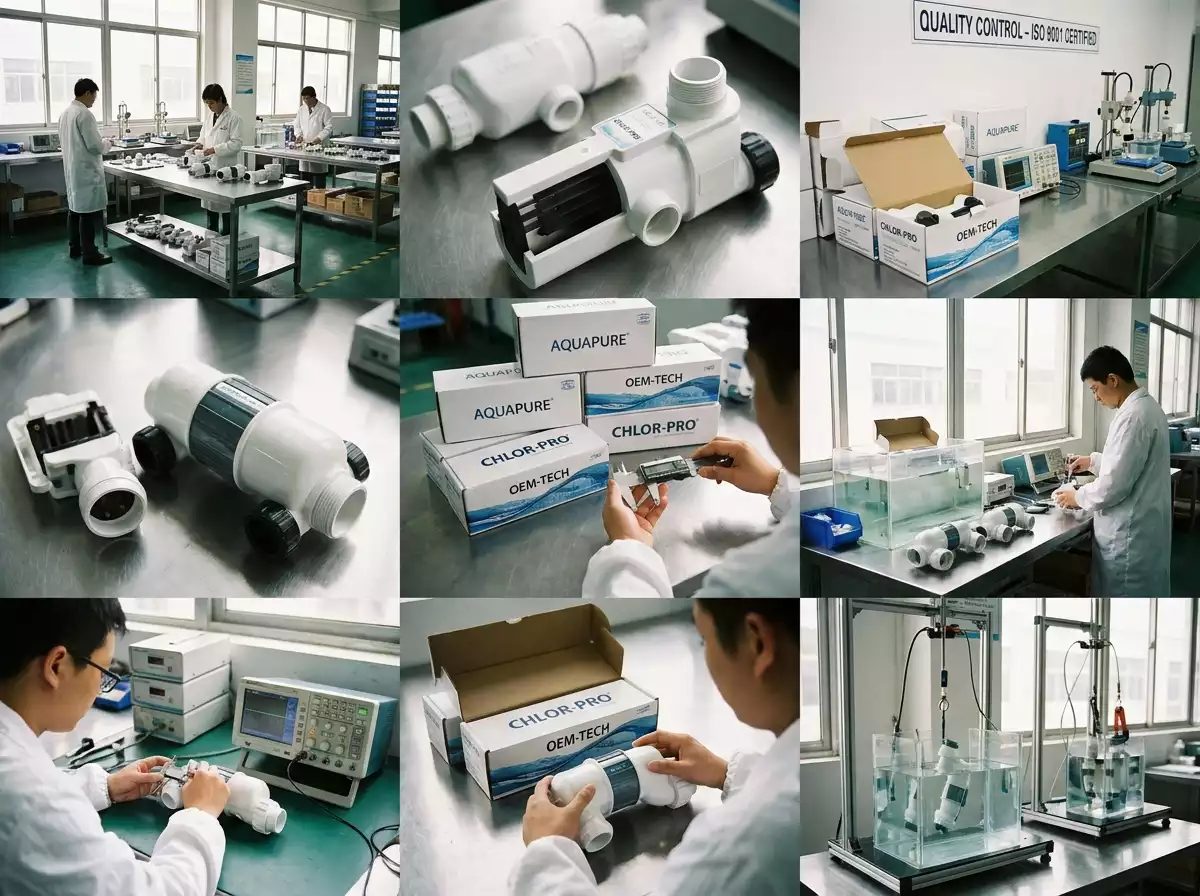
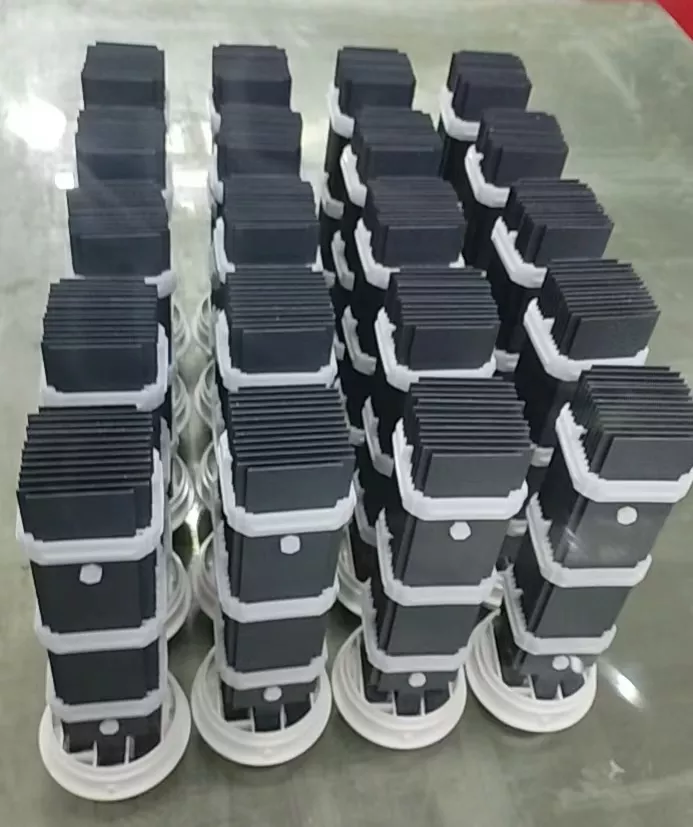
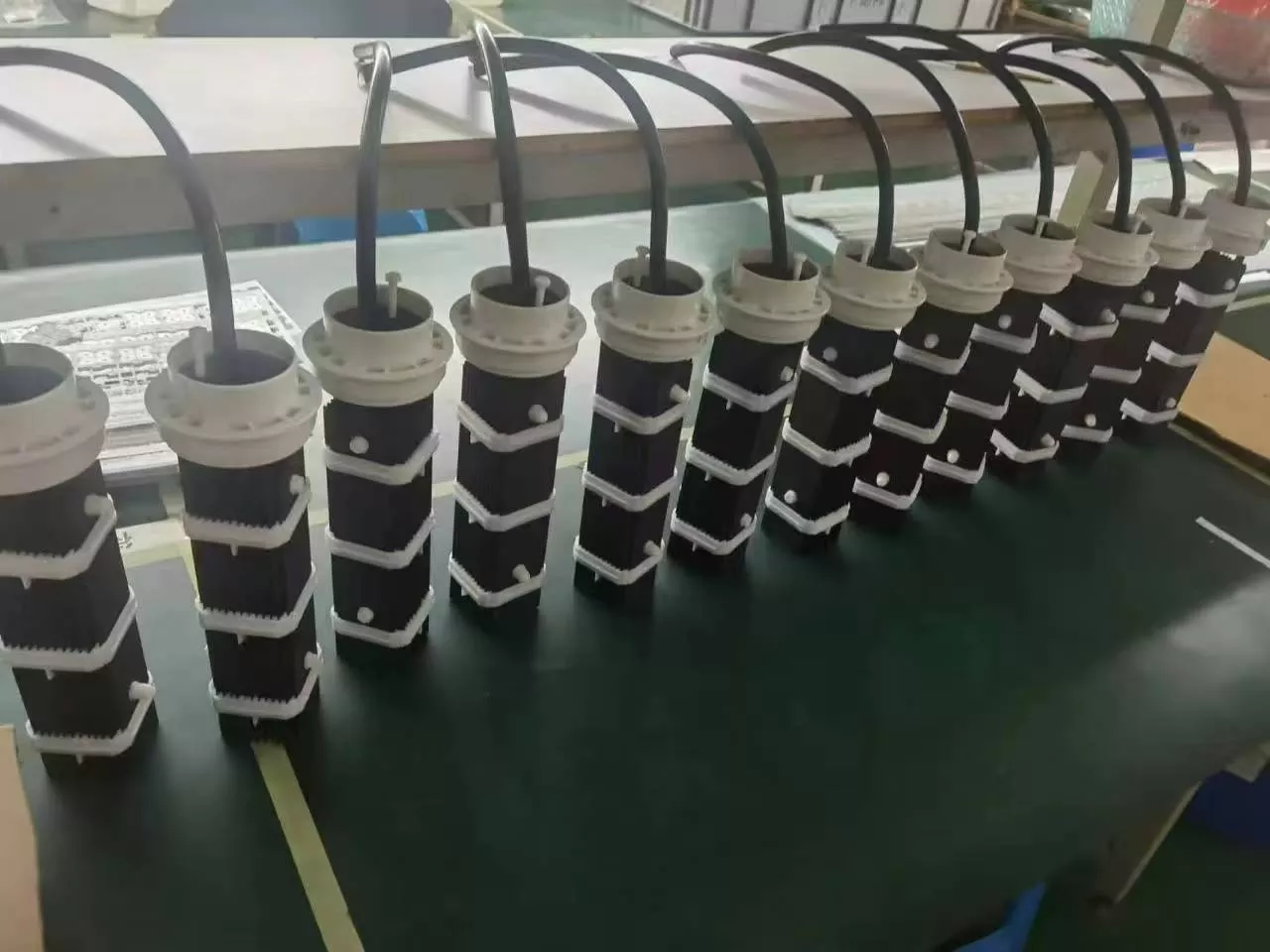
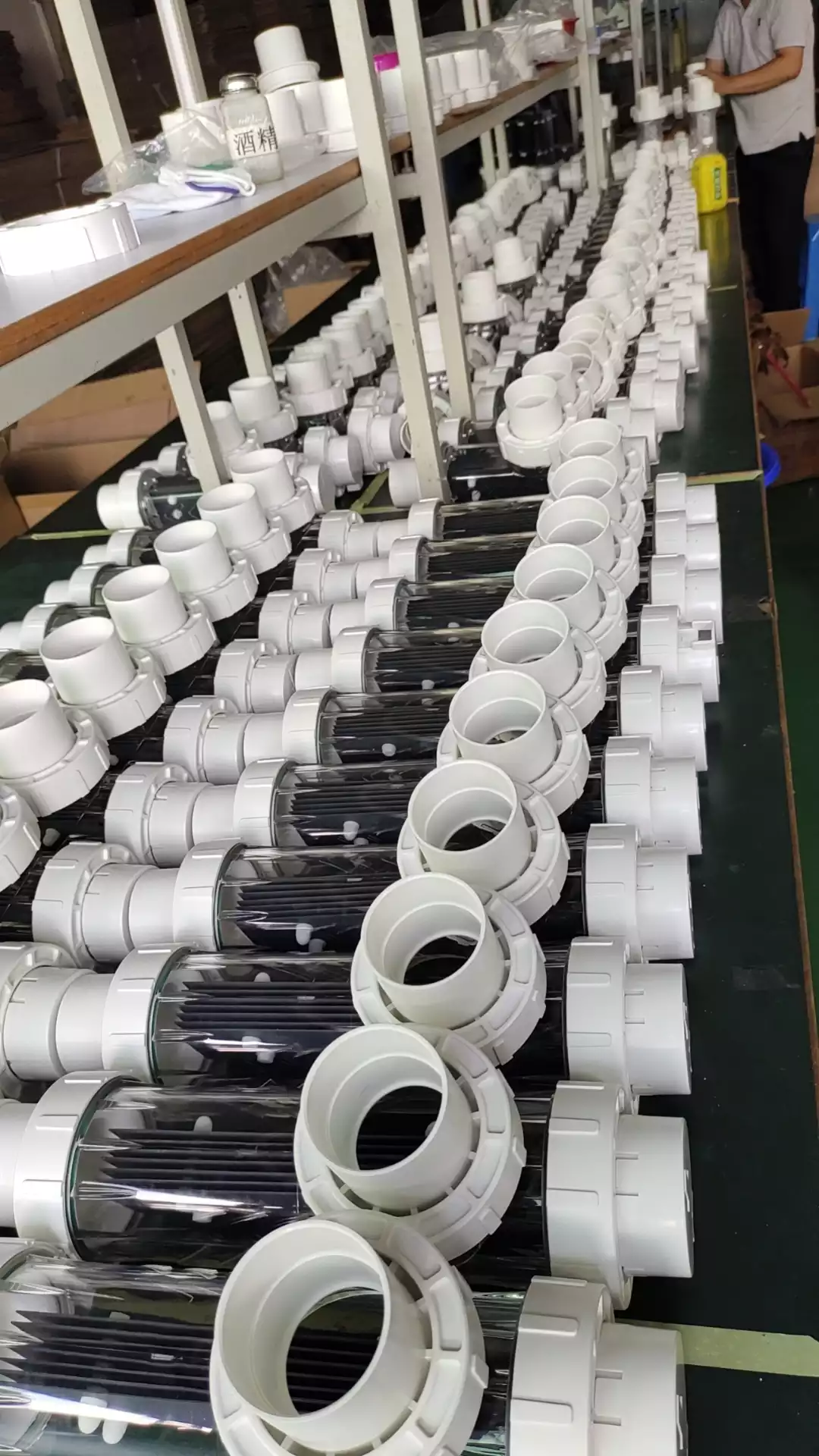
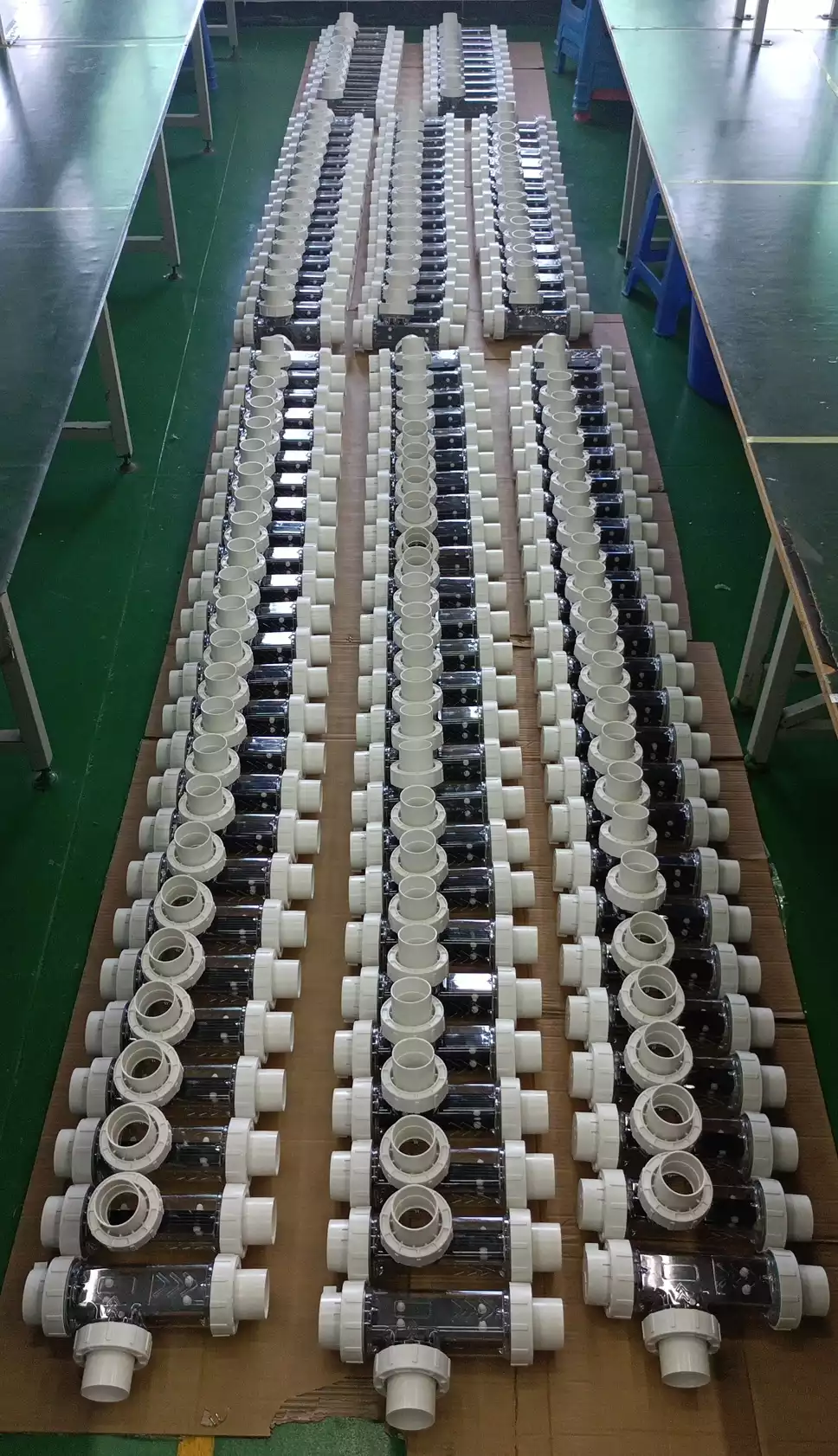
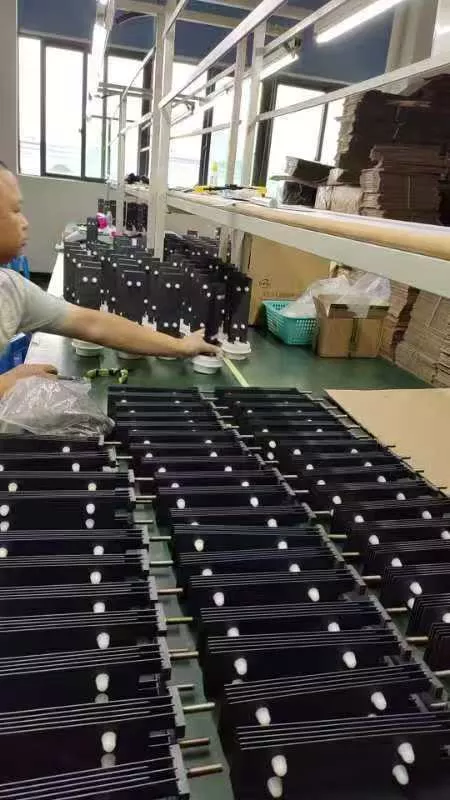
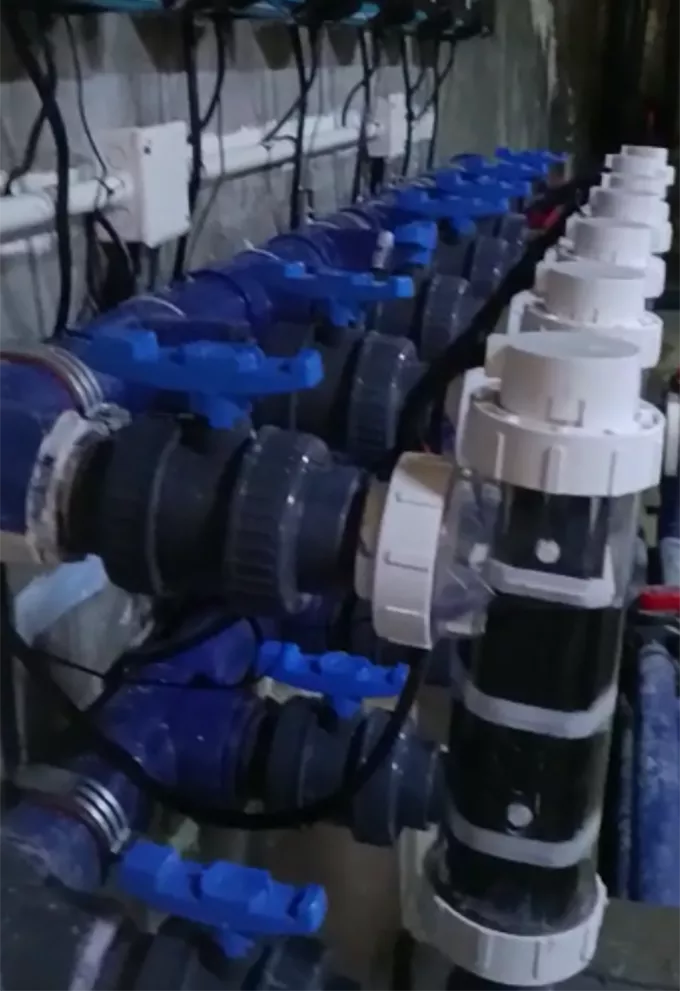
Gallery of a replacement SALT CELL Factory
The replacement salt cell range is intended for pool service companies, distributors, and buyers evaluating ODM/OEM supply. Final model selection, compatibility, performance requirements, and customization should be confirmed in the project specification.
Why Choose Century for Replacement Salt Cells?
Century's published replacement-cell information describes checks from titanium sourcing and plate coating through assembly, water-pressure testing, and electrical testing. Buyers should confirm the applicable inspection scope, acceptance criteria, and available records for each quoted model.
Century provides factory-direct wholesale quotations for replacement-cell projects. Buyers should compare unit price, tooling, packaging, freight, warranty, documentation, and compatibility risk on the same specification rather than relying on a fixed return-on-investment claim.
Century publishes titanium electrode plates with ruthenium-iridium coating for its replacement-cell range. The coating specification, expected operating conditions, validation basis, and service-life target should be confirmed for the quoted model instead of compared through an unsupported lifespan claim.
Published options include private labeling, custom housing colors, and customized packaging. Any changes to interfaces, electrode configuration, output, or housing should be defined in an approved specification before production.
Customer Success Stories
Learn from our clients what they say regarding doing business with us and the additional value that we offer.
“We worked with them on a custom OEM salt cell project. The technical team coordinated closely with us, adjusted the plate configuration to our parameter requirements, maintained a stable delivery schedule, and responded promptly to after-sales technical questions. Batch testing indicated that electrolysis efficiency met the agreed criteria.”

Mark Wilson
Purchasing Director, Pool Equipment Integrator
“We commissioned the ODM development of a new salt-chlorination component. Their team participated in design discussions, provided input on materials and coating processes, iterated samples efficiently, and maintained consistency during volume supply, which helped shorten our product-development schedule.”

Sarah Carter
R&D Manager, Contract Manufacturer for an International Brand
“After comparing several suppliers, we were satisfied with the salt cell service-life and corrosion-resistance results. Cost control was reasonable, capacity supported larger orders, and the products produced fewer service issues during our cooperation.”

Robert Hoffman
Supply Chain Manager, Water-Treatment Equipment Trading Company
Related Pool Salt Cell Replacement Resources
Expert Guides to Pool Salt Cell Replacement Programs
Who Should Own a Replacement Cell Product Program?
Give the program one business owner and assign clear responsibilities across purchasing, technical review, sales, warehousing, and after-sales support. This keeps a product change from reaching one department while another continues to use an obsolete image, label, or instruction.
- Purchasing controls the approved supplier, commercial revision, and SKU release or retirement decision.
- A technical owner releases product documents and decides when a question requires escalation.
- Sales, warehouse, and support teams record changes in the same product-management system.
Why Should Every SKU Have a Controlled Information Pack?
A controlled information pack gives each released SKU one dependable source. It prevents website copy, dealer sheets, warehouse labels, and support files from drifting apart as the product range develops.
- Keep the approved product name, internal code, photographs, drawings, labels, accessories, and support documents together.
- Show the document owner, revision date, and approval status on every controlled file.
- Archive old versions and remove them from active dealer and warehouse folders when a revision is released.
How Can Dealer Training Reduce Avoidable Order Errors?
Dealer training should happen before the first shipment. The objective is simple: help staff identify the correct SKU, use approved product language, recognize the limits of the published application, and route exceptions to the right contact.
- Review model codes, carton labels, included parts, approved images, and the current product sheet.
- Explain that visual similarity or a familiar model name is not permission to broaden a published product claim.
- Provide a versioned quick-reference sheet and repeat training when labels or support documents change.
How Should Replacement Cells Be Received and Stored?
Good warehouse practice protects clear housings, unions, cables, connectors, and small accessories after production. It also preserves the trace information needed when a shipment or return must be investigated.
- Receive inventory by model, quantity, and available lot or trace code; document shortages and visible transit damage.
- Keep protective caps and supplied packaging in place, support cables and connectors, and avoid concentrated weight on housings.
- Store seals, printed material, and accessories with the correct SKU, and confirm supplier guidance before setting formal storage limits.
How Can Return Data Improve the Product Program?
A returned cell should create a usable record even when the first report is incomplete. Consistent return categories help the distributor separate documentation, handling, application, installation, and suspected product issues without turning the return desk into a troubleshooting guide.
- Preserve the product label, packaging, accessories, order reference, and available service notes.
- Use a preliminary category and avoid declaring a product defect before supporting evidence is reviewed.
- Track patterns by SKU, trace code, channel, and time period, then improve documents, training, packaging, or purchasing decisions.
Comprehensive Salt Cell Guide
Salt Cell Fundamentals & Components
Testing, Diagnostics & Field Troubleshooting
OEM Manufacturing, Materials & Quality Control
Commercial Electrochlorination & System Engineering
Power Supplies, Rectifiers & Controller Integration
Getting a quote for pool salt cell price – Salt Water Pool Chlorinator Cell
Send the existing cell and controller references, clear label and interface photos, pool volume, application type, estimated order quantity, delivery destination, and any branding, color, port, packaging, or documentation requirements. Century can then review the request against a published or project‑specific configuration. Understanding these details also helps you get an accurate price of inground saltwater pool supporting salt‑chlorination systems.
Exporting country
0
+
Plant Area
0
+
Satisfied customer
0
+
Monthly output
0
+
Salt Water Chlorinator Cell Replacement FAQs and RFQ Checklist
Q:How Do I Confirm That the Cell, Rather Than Another System Component, Needs Replacement?
A:Do not make the decision from a single warning light or a low chlorine reading. First verify water conditions with an independent test, confirm that the pump is moving enough water, and review the controller display, cable condition, and flow-safety indication. If those items are within the limits stated by the equipment manufacturer and the cell still cannot support normal output, the cell can be evaluated as the likely replacement item. Keep the readings and service notes with the job so the supplier can distinguish a cell request from a control-system problem.
Q:Which Details Are Needed to Identify a Suitable Replacement Cell?
A:Start with the complete designation on the removed cell and the controller nameplate. Add clear images of the cable plug, unions, flow arrow, cell body, and equipment-pad layout. A useful cross-reference record also includes pool volume, the controller’s selected cell type, and any suffix shown on the original label. Similar housings or equal gallon ratings do not establish interchangeability. When the label is missing, a supplier may need dimensions, a drawing, or a physical sample before confirming an available product.
Q:Can a Cell With a Larger Pool Rating Replace the Existing Model?
A:Only when the controller supports that specific cell type and the mechanical and electrical interfaces are appropriate for the installation. A larger capacity number may give more operating headroom, but it does not override connector design, union geometry, power requirements, or controller programming. The installer should confirm the permitted cell selection in the controller documentation and then set output from actual water-test results. Do not market a higher-rated cell as a universal upgrade for every smaller pool system.
Q:What Usually Influences Replacement Cell Service Life?
A:The useful life of a salt cell depends more on operating conditions than on calendar age alone. Active electrolysis hours, output percentage, chlorine demand, scale formation, salinity, temperature, water balance, circulation, and cleaning practice all affect the electrode surface. A heavily loaded or badly scaled cell can age differently from the same model in a well-managed pool. For that reason, distributors should describe service life as conditional and keep the model warranty separate from any general industry estimate.
Q:Why Might Chlorine Still Be Low After a New Cell Is Installed?
A:A new cell does not correct every source of low free chlorine. The pool may have unusually high demand from sunlight, swimmers, algae, or organic contamination. The pump schedule may be too short, water flow may be restricted, salinity or temperature may be outside the controller’s range, or the controller may still be set for another cell type. After installation, verify the normal startup and commissioning items in the equipment instructions, then review water test results over an operating cycle before treating the replacement as defective.
Q:Will the Controller Need a New Cell Setting?
A:That depends on the controller generation and the replacement reference. A like-for-like cell may use the existing selection, while a different supported capacity can require another setting. A plug that fits is not proof that the controller is configured correctly. Record the setting before removal, check the manual for the accepted cell types, and document the final setting during commissioning. If the installed version is not covered by the available documentation, obtain confirmation before energizing the cell.
Q:Can Century Review Private-Label Replacement Cell Projects?
A:Century can review private-label and custom salt cell requirements for B2B projects. The discussion can cover the reference product, required output, housing and connection arrangement, electrode configuration, branding, color, packaging, and supporting documents. The available solution depends on engineering feasibility, tooling, sample approval, order quantity, and commercial terms. Buyers should provide a clear project brief rather than assuming that an existing aftermarket model can be changed without additional evaluation.
Q:What Should a Distributor Include in a B2B RFQ?
A:A complete RFQ should let the supplier review the application and the commercial scope in the same pass. List every model separately and state whether the request concerns a catalog replacement or a private-label build. Attach supporting photographs and documents rather than relying on a short compatibility statement.
- Buyer company, destination market, sales channel, and intended application.
- Existing controller and cell references, label photographs, dimensions, and connector details.
- Required quantity by SKU, annual forecast, mixed-model shipment needs, and requested delivery timing.
- Branding, housing color, label, manual, barcode, carton, and accessory requirements, when applicable.
- Requested technical data, sample process, inspection records, and warranty documentation.
- Quotation currency, Incoterm, destination, and any required approval milestones.
Related Products



Legal Disclaimer & Trademark Disclosure: Hayward®, AquaRite®, AquaLogic®, and ProLogic® are registered trademarks of Hayward Industries, Inc. Jandy®, AquaPure®, and Zodiac® are registered trademarks of Fluidra S.A.
Century is an independent manufacturer and supplier of high-quality aftermarket replacement parts. We are not affiliated with, endorsed by, sponsored by, or associated with Hayward Industries, Inc., Fluidra S.A., or any other original equipment manufacturers (OEMs). The use of any trademarks, brand names, or OEM part numbers (e.g., PLC1400) on this page is strictly for the nominative fair use purpose of demonstrating product compatibility and identifying the intended fit of our products. We respect the intellectual property rights of all brands; the salt cells sold here are strictly aftermarket products manufactured independently by Century.