
OEM and Replacement Pool Cell Housings
Leading Injection Molded Salt Cell Housing Manufacturer in China
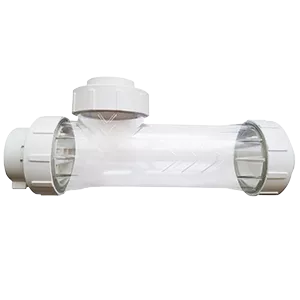
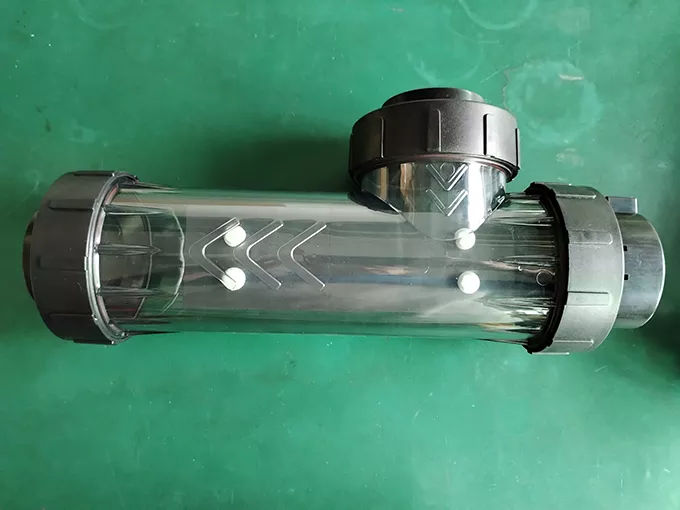
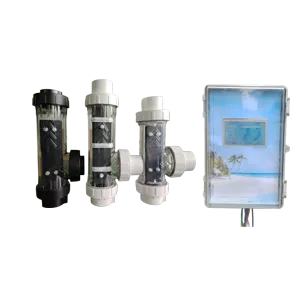
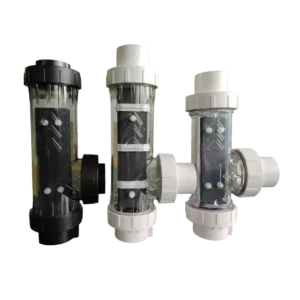
CENTURY supplies pool cell housings to OEM brands, distributors, pool service companies, and equipment integrators. The housing is the vessel around the SALT CELL electrode reaction area. It protects the electrode chamber and connects the cell to the circulation line. It also gives service teams a practical way to inspect the assembly. These pool cell housing programs include clear residential bodies, high-flow commercial vessels, and custom-molded projects.
For buyers looking for a Transparent Electrolytic Cell Housing for pool salt systems, please send the installed cell reference, photos or drawings, connection details, and target quantity. We will confirm the material, fitment, and production scope before proposing a solution.
CENTURY's Salt Cell Housing for sale
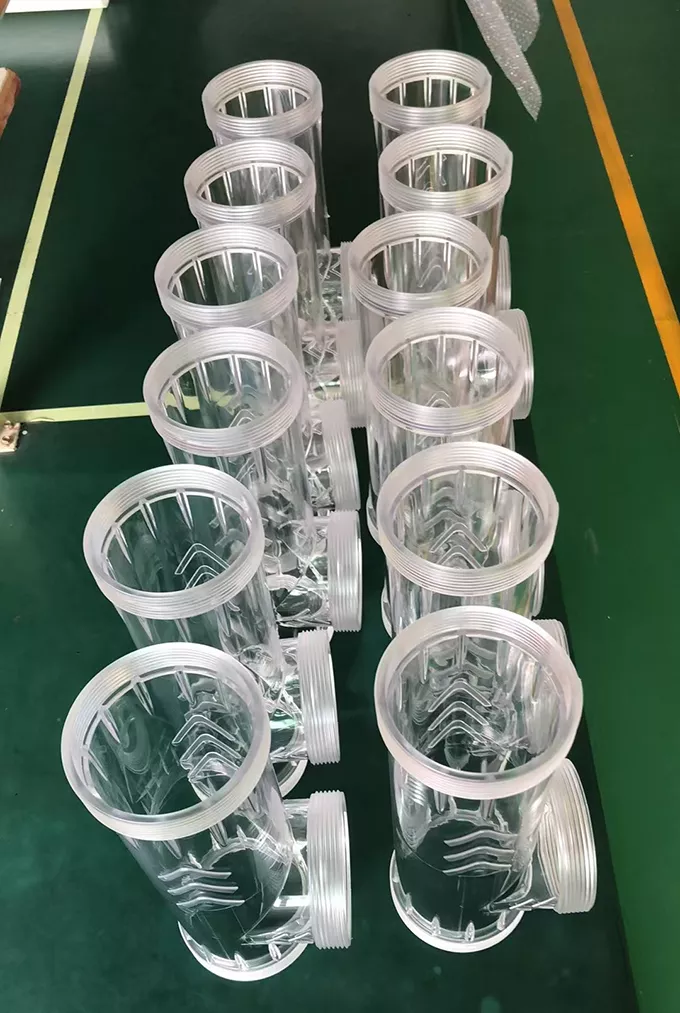
With advanced injection molding, sophisticated industrial design, and systematic testing, we serve the competitive pool and spa water-treatment market. Our salt chlorinator housings are designed for durable, leak-resistant service and cost-effective sourcing. They are suitable for commercial pool projects, residential backyard pools, and small spas.
Shop Pool Cell Housings By Application
Whether you are supplying equipment for backyard pools or massive resort aquatic centers, we categorize our molded cell bodies to fit your specific engineering needs.

Commercial Salt Cell Housings | Heavy Duty 50g/h+ Vessels
Designed for high-flow, high-pressure aquatic facilities. Our commercial vessels feature thicker, reinforced walls and an enlarged internal chamber to safely house multi-plate commercial titanium electrode arrays.Residential Clear Salt Cell Housings | 40g/h Replacement Vessels
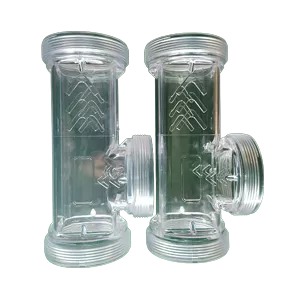
Optimized for the most popular home pool setups. These lightweight yet rugged vessels feature universal slip connections and provide the perfect balance of cost-efficiency and industrial-grade reliability for service routes.
By Color
CENTURY Pool salt cell housing Specifications
Century offers a wide range of Salt Chlorinator System for your selection, as listed in the table below. We also welcome custom requests—our team will develop tailored solutions to meet your specific needs.
| Parameter | Residential | Commercial | Custom program |
|---|---|---|---|
| Housing form | Injection-molded clear vessel | Thick-wall injection-molded high-flow vessel | Injection molding or machining per project |
| Published output reference | Up to 40 g/h | 50 g/h and larger multi-plate arrays | Confirm for specified model |
| Published connection specifications | 1.5-inch and 2-inch US and international standards | Standard 2-inch high-flow US and international standards | Confirm port and union geometry |
| Material options | Polycarbonate PC or acrylic (PMMA) | High-impact polycarbonate PC | Confirm resin grade and construction |
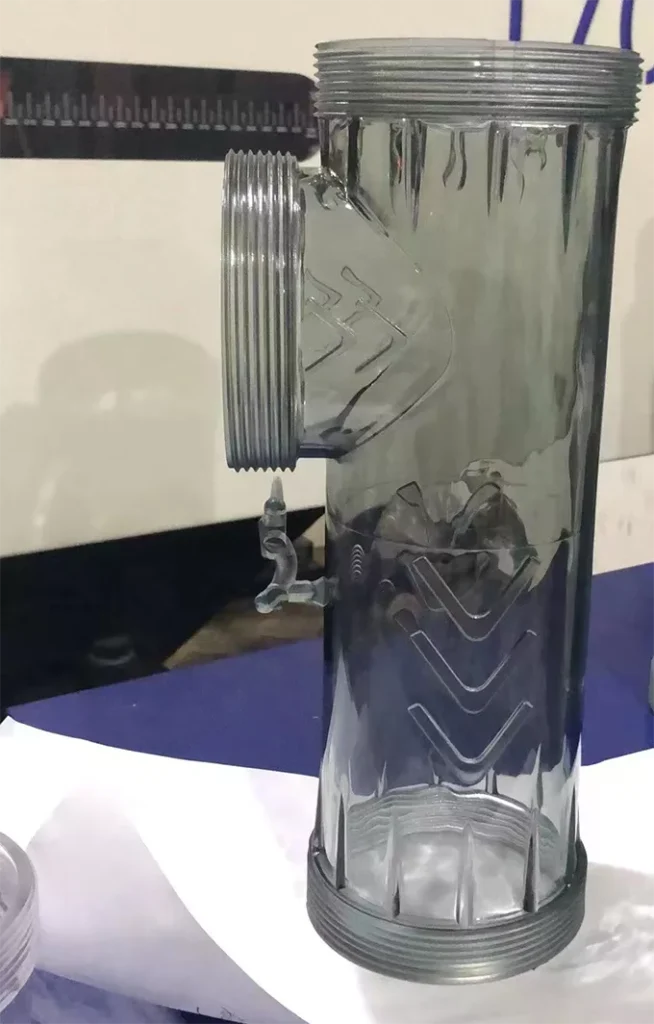
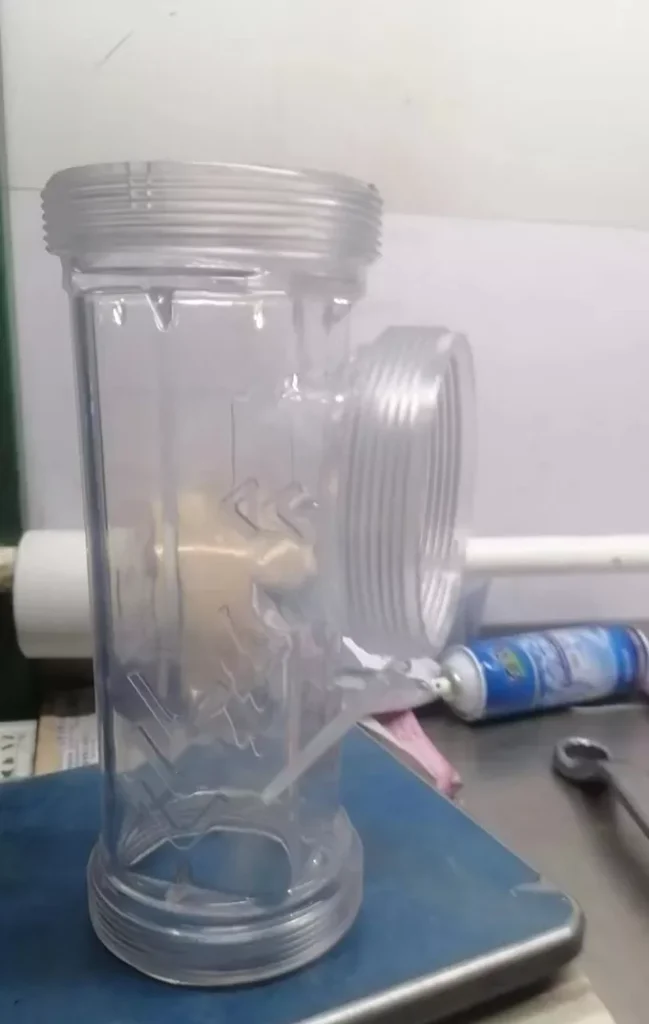
| Color options | Clear, smoked gray, and other custom translucent colors | Confirm by model | Custom color and private label available after review |
| Internal assembly | Empty vessel; electrodes and power center are separate components | Empty vessel; electrode assembly depends on the project | Confirm electrode stack, sensors, and controller interface |
chlorinator cell housing Research and Manufacturing Process
A new housing project involves a series of design and production decisions. The steps below describe the production process from a practical perspective. They do not replace a formal drawing or a specification for a particular model.
- Requirements review: Check the customer's requirements against the installed salt cell, electrode stack, connection interfaces, controller, operating conditions, target output, and order quantity.
- Mold development and mold preparation: Before finalizing the mold design, confirm the product geometry, threads, unions, sensor openings, logo position, color, and private-label details.
- Custom plastic injection molding or machining route: Pool housing projects use injection molding. A machined industrial electrolyzer chamber requires a separate engineering review.
- Assembly fitment and visual inspection: Check samples against the drawing, including interface geometry, transparency or tint, installation space, and mating surfaces.
- Quality requirements and quotation confirmation: Before volume production, agree on the inspection scope, acceptance criteria, packaging plan, and commercial terms. Century's Quality Assurance page lists testing activities for relevant electrochlorination products. Confirm which checks apply to the quoted model and housing scope.
Why clear cell housing Clarity, Material Choice, and Serviceability Matter
The value of a clear cell housing is that technicians can see inside the chamber during routine service. Visibility is only one design consideration. Resin grade, wall geometry, plumbing interfaces, water chemistry, sunlight exposure, and duty cycle all affect whether a housing fits the system.
- Field service: A clear housing lets technicians inspect scale, trapped gas, and obvious installation problems without dismantling the full line. Visual inspection does not replace water testing or diagnosis of the controller and salt cell.
- Material selection: PC polycarbonate and acrylic are material options for some salt cell housings. An acrylic salt cell casing or clear salt cell vessel should be specified by resin grade, UV resistance, chemical resistance, temperature rating, and assembly method because material grades can differ.
- Duty cycle: Residential and commercial models differ in output, flow, and operating conditions. Do not use a residential housing to replace a commercial component based on appearance alone.
- Maintenance planning: The housing assembly, complete salt cell, and power center are separate components within the system. Identify the part to be replaced and check the fit between the salt cell and power center.
CENTURY Electrolytic Cell Housing Compared With Unspecified Replacement Bodies
| Century product line | Unspecified replacement housing | |
|---|---|---|
| Product range | Broad range, from 15 g/h to 50 g/h. | The product range may be unclear. |
| Residential series | Published residential models reach up to 40 g/h and use 1.5-inch and 2-inch US Schedule 40 connections. Other standards should be confirmed by model. | Request the actual product drawing and interface standard. |
| Commercial series | Published commercial models start at 50 g/h and include multi-plate, high-flow configurations with 2-inch high-flow interfaces. | A residential housing photo alone cannot establish commercial suitability. |
| Materials | PC and acrylic options are available. | Housing material not provided. |
| Pressure rating | 0.5 MPa and above. | Material unknown; no rating can be stated. |
| Output-matched design | The internal anode dimensions and spacing can be designed around the required output to provide a suitable cell housing. Confirm the design scope through engineering review. | Housing only. |
| OEM customization changes | Injection molding, custom mold tooling, CNC machining, and engineering review are available. | Confirm mold ownership, sample approval, logo and tint requirements, and minimum order quantity (MOQ). |
| Pressure-test verification | Pressure testing is performed for every batch. | Not mentioned. |
✷Applications of cell housing✷
Housing replacement decisions appear in several B2B applications. Although the part is compact, its interfaces directly affect field installation, service work, and after-sales support.
- Residential replacement programs for pool service companies, aftermarket parts distributors, and private-label product lines.
- Commercial pools, resorts, water parks, and other aquatic facilities: output, flow, and operating conditions may require a larger chamber.
- OEM and ODM salt chlorine generator programs: custom requirements may cover port layout, housing color, brand marks, and packaging.
- Service-channel spare-parts inventory: technicians need replacement housings with consistent batch performance and clear model identification.
- New product development: the housing, electrode stack, power unit, and plumbing interfaces must be reviewed as a complete assembly.
Transparent chlorinator housing related resources
The following Century blog articles can support housing selection, water-chemistry research, chlorine-output planning, and the definition of the complete system scope. Click a title to read the original article.
| Century Blog article | Why it is relevant |
|---|---|
| Optimal Salt Water Pool Chemistry: Maximizing Salt Water Chlorinator Cell Lifespan | When choosing materials and estimating housing service life, consider salinity, pH, alkalinity, calcium hardness, and actual operating conditions. See this article for context. |
| Commercial vs. Residential Salt Cell Technologies: Engineering Specifications and TCO Analysis | Do not use a residential housing as a direct commercial replacement. This article explains duty cycle, chlorine output, coating life, and total cost of ownership (TCO), helping separate residential and commercial product boundaries. |
| High Capacity Salt Cells: Engineering Specifications, Scaling Criteria, and Dynamic Performance from 50g/h to 500g/h Output | For high-output projects involving chamber design, water flow, gas management, or electrical integration, this article is a useful starting point for a dedicated engineering review. |
Why Choose Our Clear electrolyzer housing?
Housing selection is not just a technical match for one component. We understand the operating conditions of the complete salt chlorination system. Based on Century’s public technical information and product pages, customers can source an injection-molded housing on its own or choose a complete salt chlorination solution. Final model fitment will be confirmed through the quotation and drawing-review process.
- Complete product range. We separate the housing, replacement salt cell, complete generator, and power unit into distinct product categories, making it easier to define project needs and purchasing boundaries.
- Manufacturing capability. The capabilities page describes plastic injection molding, custom tooling, CNC machining, and electrochemical engineering for different project needs.
- Model fitment review. Residential and commercial lines publish their output and plumbing interface information. Actual fitment is checked for the selected model.
- Standardized quality control. The Quality Assurance page describes hydrostatic, micro-leak, electrical, and other applicable tests. Discuss the inspection requirements for the specific project. [Editorial Verification Note] The public page describes testing across relevant electrochlorination products; it does not establish that every listed test applies to every housing model.
- B2B customization support. OEM pool cell housing wholesale programs can raise custom requests during the inquiry stage, including housing color, transparency, private-label branding, port design, packaging, and mold development.
Expert Guides to Salt cell plastic shell
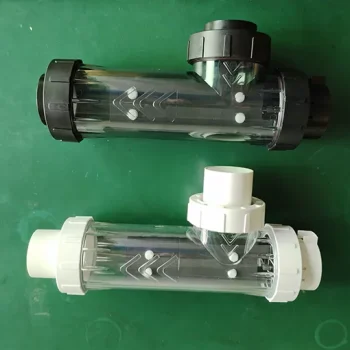
As a manufacturer of pool salt-chlorination housings and salt cell assemblies, we recommend evaluating the housing as part of the complete salt chlorination system rather than judging it by appearance alone. The guides below are prepared for OEM buyers, distributors, pool service companies, and equipment integrators. Use them to review fitment, water conditions, chlorine output, flow, material selection, and project scope before submitting a production inquiry.
How to Start a Pool Cell Housing Evaluation
We recommend starting with the model of the salt cell and controller currently installed in the field.
When requesting a housing quote, please also provide the current salt cell model, electrode dimensions, interface details, available installation space, and clear photos. Housings can look similar while differing in chamber geometry, union type, sensor-port position, and controller fit. Appearance alone cannot replace drawing review.
How Water Chemistry Conditions Affect salt cell Service Life
A pool housing does not operate as an isolated component. It runs in the actual water conditions of the system. This article puts the housing back into its real operating context: pH, alkalinity, stabilizer, calcium hardness, salinity, and routine inspection can all affect the performance of the salt chlorination system.
A clear housing does make it easier to inspect the chamber, but it cannot replace water testing, equipment cleaning procedures, or the operating limits provided by the complete equipment manufacturer.
What Changes in Housing Design as Chlorine Output Increases
When a project moves from a standard residential output to a higher chlorine output, we recommend a broader engineering review.
As output increases, chamber geometry, hydraulic flow paths, gas-management arrangements, electrode spacing, and current or rectifier integration may change. Do not infer pressure limits, flow range, or chlorine output from a clear wall or matching connection size. Use the specified model and approved drawing as the basis.
Why Residential and Commercial Housings Need Separate Reviews
Century’s product range treats residential housings and commercial housing projects as separate product lines.
Please note: commercial equipment cannot be used with a residential housing simply because the appearance is similar. We will review the expected duty cycle, chlorine output, pipe size, installation space, service access, and the inspection or validation records associated with the quoted model.
Pool Cell Housing ≠ Industrial Electrolyzer Chamber
A pool salt cell housing and a municipal or industrial on-site sodium hypochlorite generator (OSHG) may both involve electrochemical equipment, but they are not interchangeable.
The chamber design, process conditions, control system, material requirements, and safety review can all differ. If the project is an industrial electrolyzer, sodium hypochlorite skid, or municipal water-treatment system, state that scope separately in the inquiry. A clear plastic housing for electrolysis should not be treated as a universal substitute. The project should go through an industrial electrolyzer chamber review, not be quoted as a pool replacement housing.
Separate the Housing, Complete salt cell, and Power Unit to Define the Purchase Scope
This is one of the most common sources of confusion in an inquiry. Please state whether you need:
1. Empty housing (the injection-molded body only);
2. Complete replacement salt cell (housing + electrode assembly);
3. Power control unit (separate power supply and controller).
Listing these three items separately helps avoid the misunderstanding that a plastic housing already includes titanium electrodes, cables, and the controller.
Comprehensive salt cell housing Guide
The table below collects Century blog resources around practical questions that often arise during product selection. It is a navigation aid only. Refer to the linked article for detailed engineering discussion.
| Guide link | Buyer question | Main subject |
|---|---|---|
| Start with water chemistry and service life | What effects can water conditions have on salt cell and housing selection? | Water chemistry, calcium hardness, salinity, and actual operating conditions |
| Separate residential and commercial requirements | Can one housing design serve residential and commercial duty cycles? | Duty cycle, chlorine output, coating durability, and total cost of ownership |
| Scale the project by output and flow | What changes should be reviewed when a project exceeds small commercial salt cell output? | Hydraulic flow, chamber design, gas management, current load, and rectifier integration |
| Keep pool systems separate from municipal OSHG | Is a pool salt cell housing the same as an industrial sodium hypochlorite vessel? | Do not transfer pool equipment assumptions directly to municipal or industrial projects; this guide clarifies the boundary. |
Getting a quote for Electrolytic Cell Housing
To prepare an accurate quotation, please provide complete information about the system currently in the field and the intended replacement. A clear inquiry helps us distinguish a housing-only request from a complete salt cell and power-unit solution.
- Current housing, salt cell, and controller model information, with photos of labels, connectors, and the installation position.
- Electrode stack dimensions, target chlorine output, and the matching relationship between the salt cell and power unit.
- Inlet and outlet dimensions, union size, thread details, sensor port, housing wall thickness, and available installation space.
- Custom requirements: material preference, transparency, housing tint, logo printing, private-label branding, packaging, and sample requirements.
- Operating conditions: working pressure, working temperature, water chemistry, residential or commercial duty cycle, order quantity, and destination market.
- Project requirements: whether new tooling is needed, expected delivery schedule, required test records, and product acceptance criteria.
Submit your pool cell housing inquiry. Final fitment, pressure limits, resin grade, inspection scope, minimum order quantity, and delivery terms are subject to the technical specification agreed by both parties. [Editorial Verification Note] Confirm model-specific values in the approved drawing and quotation.
Frequently Asked Questions About Pool Cell Housing
Q: Does a pool cell housing include the titanium electrodes?
A: No. This collection focuses on the empty molded vessel or housing body. Complete replacement salt cells and salt chlorinator power centers are separate product categories. If you need the housing and electrode assembly together, provide the installed cell reference and target output so the scope can be confirmed.
Q: Can I order a clear or tinted salt cell vessel?
A: Century’s published housing information lists clear, smoked-gray, and custom translucent options for selected programs. Confirm the resin, opacity, sample approval, minimum order, and tooling requirements for the specified model.
Q: Can you match an existing 1.5-inch or 2-inch connection?
A: The residential page publishes 1.5-inch and 2-inch US Schedule 40 PVC slip fitments, while the commercial page publishes a high-flow 2-inch interface. Actual fitment still depends on the drawing, union details, available space, and the model being quoted.
Q: Do you supply commercial pool cell housings?
A: Yes. Century publishes a commercial housing program for 50 g/h and larger multi-plate applications, with thick-wall injection molding and high-flow connection options. Confirm output, pressure, internal chamber dimensions, and the applicable test scope for the project.
Q: What is the difference between a housing, a salt cell, and a power center?
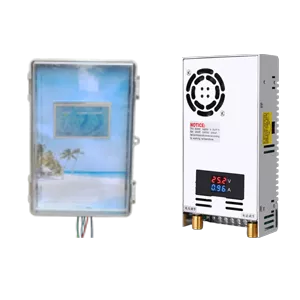
A: The housing is the vessel. The salt cell normally includes the electrode assembly inside the vessel. The power center supplies and controls electrical output to the cell. The three parts must be matched before a replacement or OEM assembly is approved.
Q: What should I send for a quote?
A: Send the installed cell and controller references, photos or drawings, connections, electrode dimensions, target output, material and color requirements, quantity, destination market, and any private-label or packaging requirements.
Related Products
Disclaimer: Century is an independent manufacturer of high-quality pool equipment components. Any reference to original equipment manufacturer (OEM) names, trademarks, or dimensional standards is strictly for the purpose of demonstrating plumbing compatibility. We are not affiliated with, endorsed by, or sponsored by any major pool equipment brands.