
Maximizing ROI: A Technical Guide to Salt Cell Housing Replacement vs. Full Cell Upgrades
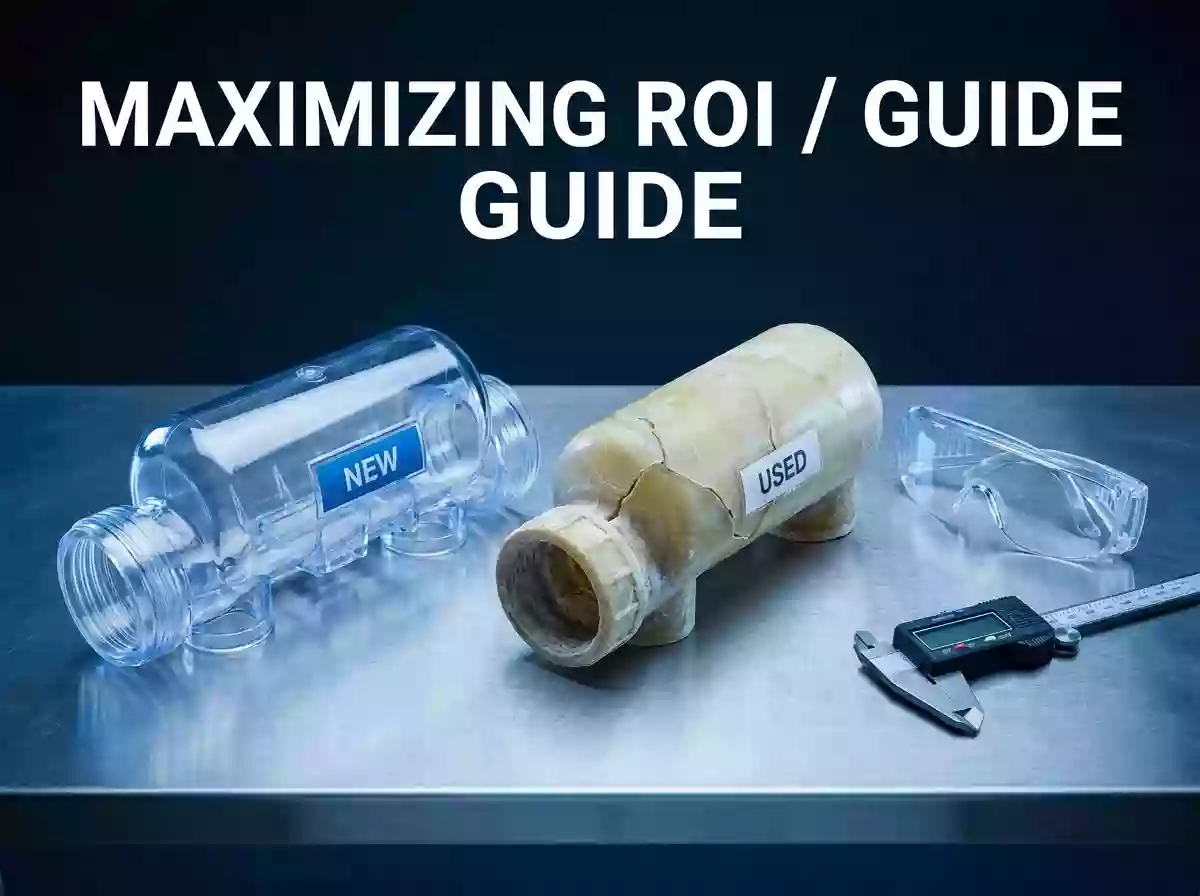
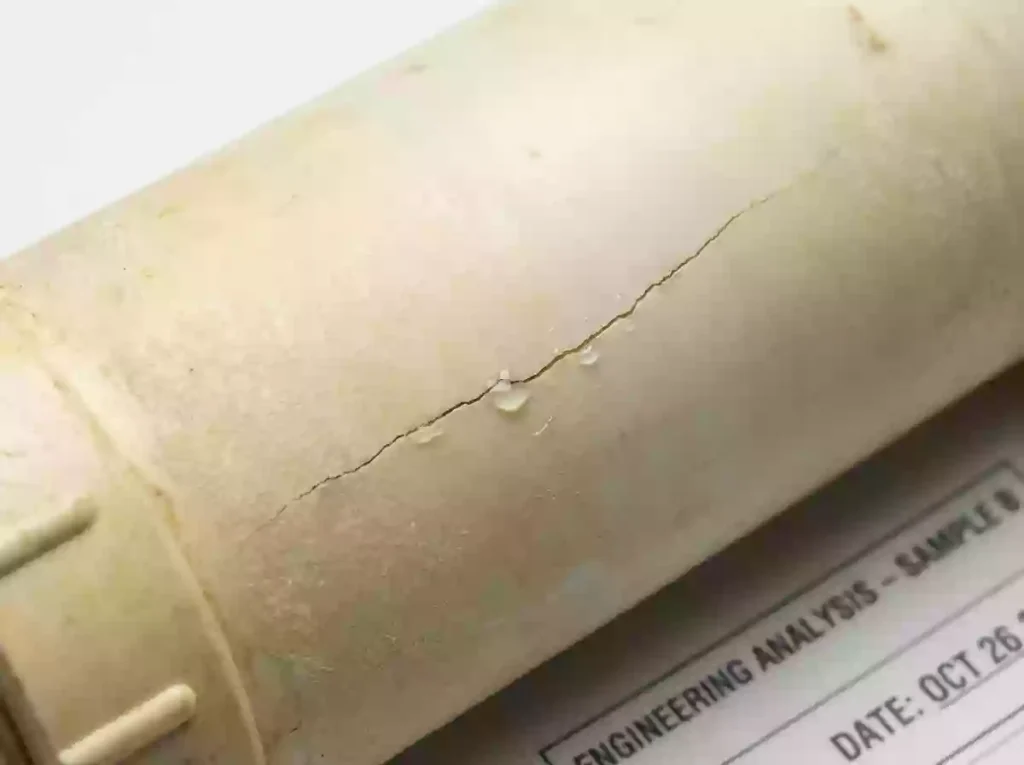
During the long-term maintenance of commercial pool equipment, a cracked salt cell housing is one of the most frequent failures. This is especially true in regions with freezing winter temperatures, where residual water expands into ice, violently fracturing the structural integrity of the cell. Furthermore, continuous hydrostatic overpressure and prolonged exposure to harsh UV radiation accelerate polymer degradation and embrittlement. Ultimately, this leads to structural cracking, leaks, and a direct halt in chlorine production.
When faced with a ruptured housing, facility managers and equipment distributors often face a dilemma. The cost of a complete electrolytic cell assembly is significant, making a full replacement for just a cracked plastic shell seem like an unnecessary capital expense. However, replacing only the housing carries its own risk: if the internal titanium anode plates have already reached the end of their lifespan, the facility will soon face another expensive replacement cycle.
Understanding the Root Causes of Salt Cell Housing Failure
A damaged salt cell housing typically stems from two primary physical stressors. First, freeze damage from improper winterization causes trapped water to expand, which instantly shatters the rigid housing. Second, mechanical stress from overtightening the union nuts during installation warps the sealing faces and induces micro-fractures in the plastic body.
From a material science perspective, standard plastics lacking UV-stabilized modifications suffer from molecular breakdown when exposed to direct, prolonged sunlight. Over time, the material becomes brittle, and hairline cracks inevitably develop under operational pressure.
From an engineering standpoint, a cracked salt cell housing repair is rarely an isolated fix. A ruptured vessel indicates that the system has likely experienced extreme operating conditions, such as severe pressure spikes or freezing. Therefore, technicians must not only replace the housing but also audit the plumbing pressure, installation protocols, and operational settings to prevent recurring failures.
Technical Feasibility: When Can You Replace Just the Housing?
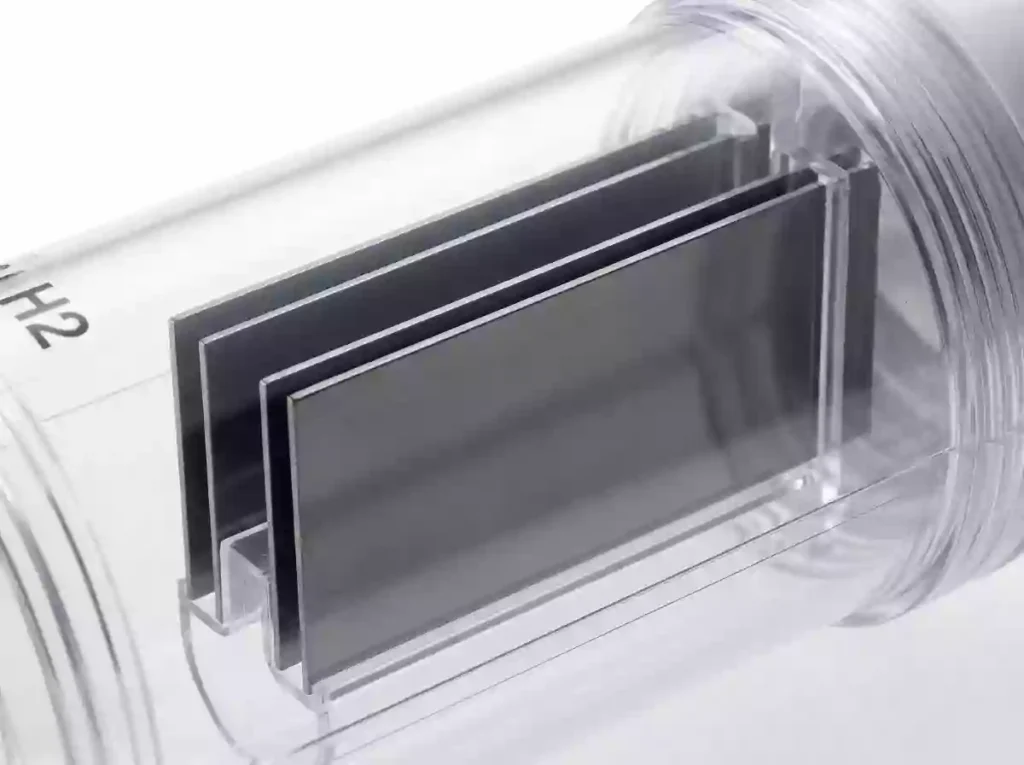
Opting for a standalone salt cell housing replacement is highly feasible, provided a strict preliminary assessment is met. The absolute prerequisite is that the internal titanium electrode plates must be completely intact. The ruthenium-iridium catalytic coating must show no signs of flaking or severe depletion, and the cell’s chlorine output efficiency must still meet factory benchmarks. As long as the electrode performance has not degraded, isolating the repair to just the housing is a highly practical and cost-effective strategy.
However, compatibility is paramount. Replacement housings for major systems—such as Hayward, Pentair, or Zodiac—are not universally interchangeable. The thread pitch, union dimensions, and specific O-ring seating grooves feature proprietary designs. Achieving 100% precise structural mapping is required to avoid leaks and sensor misalignment after installation.
Compatibility Challenges: Why Not All Replacement Housings are Equal
The aftermarket is flooded with varying qualities of replacement housings. The primary differentiator lies in the raw polymer grade. Century’s B2B-grade housings are manufactured from high-impact engineering plastics designed with superior pressure tolerances. They are infused with dedicated UV stabilizers to withstand intense outdoor solar radiation, preventing the embrittlement and deformation common in cheaper units. In contrast, low-end alternatives often utilize recycled, non-stabilized plastics that lack adequate pressure ratings—they might survive the initial startup but will suffer structural failure during continuous operation.
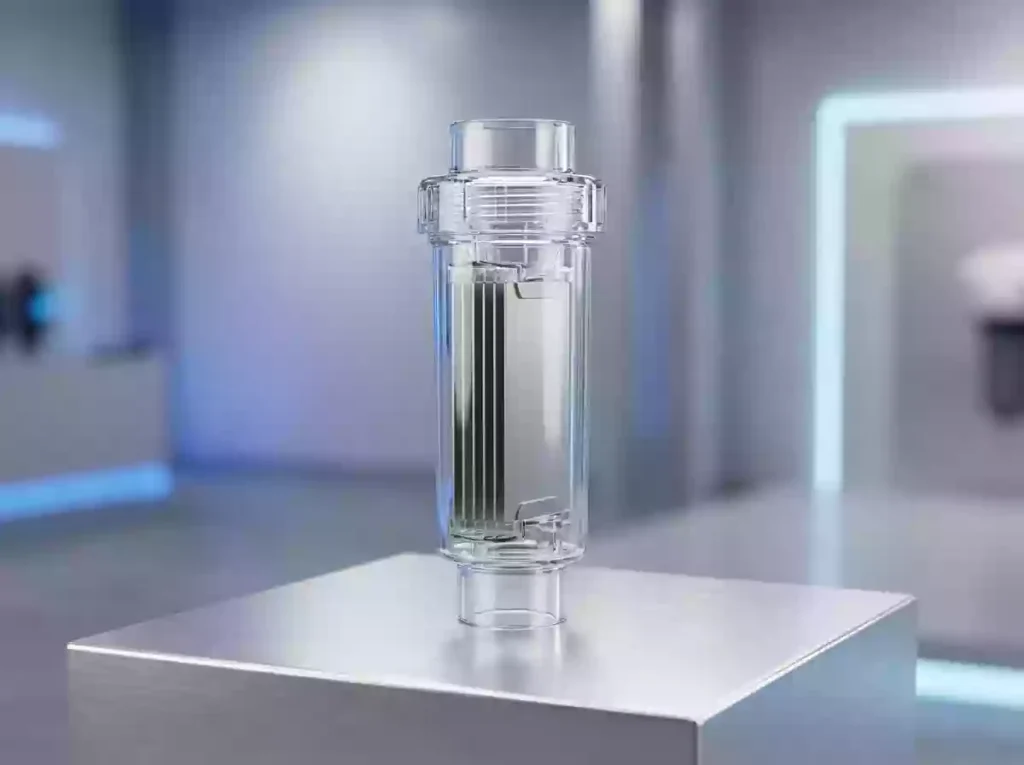
A replacement salt cell clear housing offers immense practical value in commercial settings. The transparent material allows operators to visually monitor calcium scale buildup and electrolytic gas generation in real-time. This eliminates the need to break the plumbing seal for routine inspections. Facility managers can accurately schedule salt water pool cell cleaning and maintenance before a critical failure occurs, a key design advantage that separates premium commercial housings from generic aftermarket parts.
Step-by-Step Replacement: Best Practices for Professional Technicians
Replacing a salt cell housing requires strict adherence to professional protocols. Before beginning, technicians must completely depressurize the plumbing system to ensure zero residual water pressure. Following disassembly, the sealing surfaces must be meticulously cleaned, removing all scale, debris, and fragments of the old gasket. Technicians must also verify the sensor alignment slots to prevent installation errors that could disrupt flow or salinity readings.
The sealing phase is critical to preventing future leaks and stress fractures. When performing a salt cell union nut replacement, the new O-rings must be lubricated properly. Always use silicone or Teflon-based lubricants; petroleum-based products will rapidly degrade the rubber. When threading the unions, ensure they are perfectly aligned to avoid cross-threading, and hand-tighten them evenly. Never use a wrench to force a tight seal. Proper installation guarantees a watertight fit while protecting the housing from excessive mechanical stress, completely eliminating the risk of secondary cracking.
Conclusion: Making the Strategic Maintenance Decision with Century
When making maintenance decisions for commercial pool chlorinators, facility operators must look beyond the immediate cost of a plastic shell. If the internal electrodes show significant wear or have surpassed 50% of their rated lifespan, replacing only the housing is merely a temporary bandage. From a long-term commercial pool equipment maintenance perspective, upgrading to a swimming pool salt chlorinator replacement unit is much more cost-effective. It minimizes the downtime and labor costs associated with repetitive repairs, ensuring stable aquatic operations.
Century provides global B2B clients with high-strength, perfectly compatible replacement housings and hardware that strictly adhere to the structural and sealing standards of mainstream OEM models. Backed by our mature manufacturing processes and rigorous quality control, we deliver precision housings for immediate repairs, as well as complete titanium cell replacement solutions. We empower our partners to execute reliable equipment maintenance at a reasonable cost, optimizing the return on investment for long-term facility operations.