
Containerized OSHG Systems: Plug-and-Play Water Disinfection for Remote Infrastructure
Deploying standard, fixed drinking water disinfection infrastructure within remote mining operations, field camps, and emergency disaster relief zones presents severe structural hurdles. Conventional water treatment facilities require extensive civil engineering, prolonged construction timelines, and complex on-site mechanical alignment, failing the requirements of rapid-response deployment. Furthermore, relying on commercial liquid chemical hauling to these isolated regions introduces unsustainable logistics tariffs and severe hazardous material transit risks.
A specialized containerized water treatment plant configured for electrochlorination perfectly solves these operational bottlenecks. By condensing a mature, industrial-grade oshg system within a standard, climate-controlled shipping enclosure, the entire footprint is fully integrated and validated at the factory. Once shipped to the deployment site, the unit requires only basic hydraulic connection to begin continuous disinfection, bypassing large-scale civil works entirely. Utilizing only commodity granulated salt and a localized water supply, this infrastructure eliminates hazardous logistics dependencies while reliably meeting the biological purification demands of isolated communities and industrial camps.
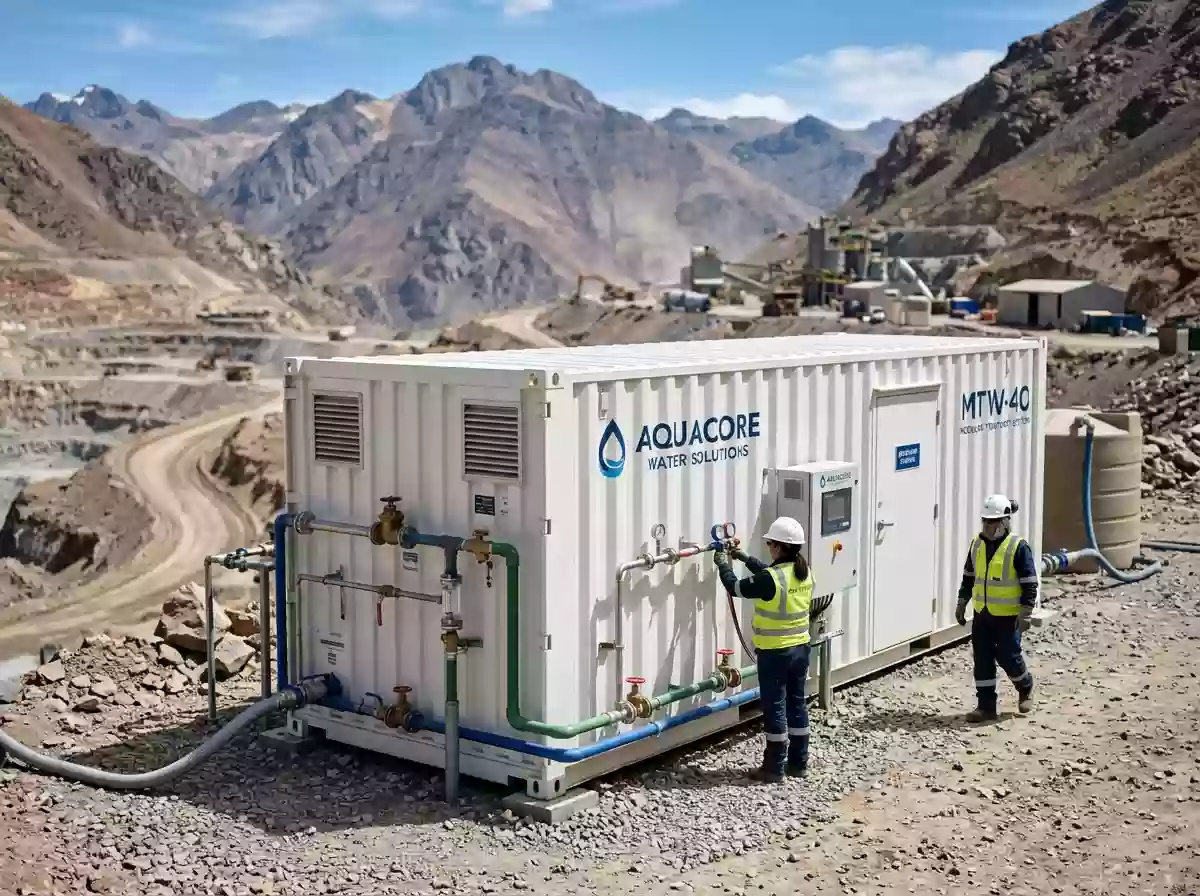
The Infrastructure Gap: Why Remote Sites Demand Mobile Water Disinfection
Remote geographical areas such as isolated islands, high-altitude mining basins, and disaster zones suffer from acute deficits in construction materials and specialized mechanical labor. Erecting a conventional, permanent concrete disinfection plant under these conditions frequently demands months of construction, creating an unacceptable delay in securing safe, potable water for onsite personnel.
Logistically, these areas are typically served by unpaved, volatile transit routes. Hauling high-concentration liquid sodium hypochlorite across these terrains involves extreme pricing premiums and poses a continuous threat of vehicle rollovers or corrosive chemical containment breaches. Compounding this, thermal variations during prolonged transit accelerate the natural degradation of the biocide, severely compromising its free available chlorine potency before it even arrives at the dosing point.
Under these aggressive field parameters, legacy chemical supply chains prove fundamentally unviable. International projects require ruggedized, highly adaptable mobile water disinfection assets that can be cross-docked via standard flatbed trucks and powered up immediately. By eliminating civil constraints and hazardous cargo dependencies, these configurations provide a reliable biological barrier tailored for temporary exploration camps and municipal emergency response water grids.
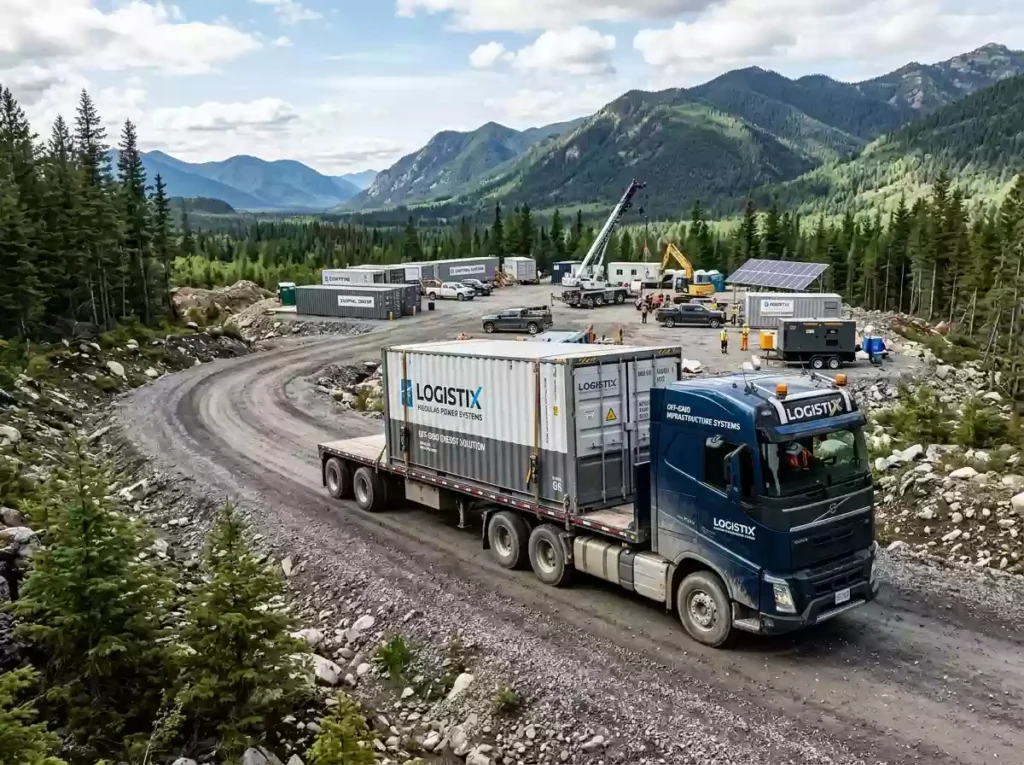
System Architecture: Engineering a Complete Containerized Electrochlorination Plant
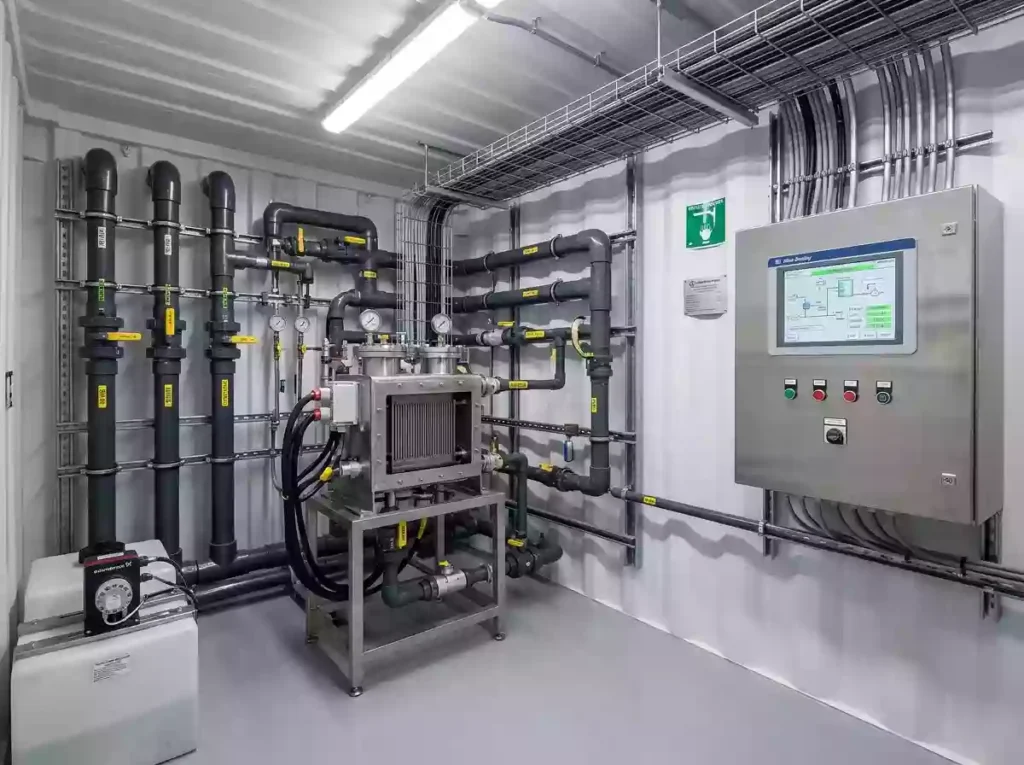
A high-density containerized electrochlorination facility represents a sophisticated engineering integration rather than a rudimentary assembly of components. Leveraging advanced 3D piping and space-optimization modeling, an entire chlor-alkali equivalent process is seamlessly consolidated inside standard 20-foot or 40-foot ISO shipping enclosures. This footprint integrates a saturated brine synthesis tank, multi-stage precision water softening filters, the core electrolytic reactor, chemical storage cells, forced-air hydrogen venting apparatus, and an automated central PLC control panel into a highly organized, structurally balanced layout.
The interior of each enclosure undergoes rigorous industrial modification. The flooring is fortified with multi-layered, chemical-resistant epoxy overlays to withstand permanent salt-spray exposure. Heavy-duty industrial HVAC systems are integrated to maintain a stable interior micro-climate, shielding the electrolytic process from extreme ambient temperature fluctuations that impair current transfer efficiency.
Crucially, the system features a redundant, forced-air hydrogen dilution mechanism engineered to comply with strict international Class I Division 2 safety standards, safeguarding continuous, unattended chlorine generation system operations under the harshest outdoor operational parameters.
Surviving Extreme Environments: The Durability of Century’s MMO Titanium Anode
During transoceanic shipping or rugged overland transportation to remote wellheads, containerized disinfection machinery is subjected to severe, continuous mechanical shocks and harmonic vibrations. Once operational on-site, the equipment must run uninterrupted despite highly variable raw water quality and volatile local electrical grids—conditions that cause low-tier electrodes to experience structural fastening failure and rapid performance decay.
Century addresses this environmental stress through superior metallurgy. Our proprietary mmo titanium anode utilizes Grade 1 high-purity titanium substrates combined with nanoscale ruthenium-iridium mixed metal oxide catalysts fused via automated multi-stage thermal decomposition. This chemistry ensures extreme chlorine evolution efficiency and unyielding corrosion resistance. Furthermore, Century reinforces the entire internal chassis of the electrolytic cell with heavy-duty vibration-damping isolation mounts to neutralize transport shock.
Even when confronted with heavy mineral scaling profiles and sudden voltage drops common in a remote water treatment system, the Century anode resists catalytic coating delamination and localized surface passivation. Delivering an unassailable maintenance-free operational lifecycle exceeding five years, this robust component architecture is perfectly tailored for remote outposts lacking dedicated instrumentation engineers, drastically compressing field service liabilities.
Capital Expenditure Optimization: The Financial Argument for “Plug-and-Play”
In centralized water infrastructure planning, site excavation, building construction, and civil engineering allocations regularly consume 30% to 50% of the total project CAPEX. A containerized water purification configuration completely deletes these financial burdens, requiring nothing more than a simple, level concrete pad for immediate installation. This compresses fixed asset deployment costs, eliminates structural material waste, and slashes local contractor management overhead.
Equally vital is the high asset mobility of these modular enclosures. Unlike monolithic concrete structures that turn into stranded capital once a site is decommissioned, a containerized configuration is entirely reallocable.
Upon mining lease termination or camp relocation, the entire asset can be disconnected, crane-lifted, and redeployed to a new geography, retaining an exceptional salvage value profile.
Compared to single-use, permanent concrete water treatment facilities, the plug-and-play container framework delivers unmatched investment adaptability, compressed payback timelines, and commanding total cost of ownership (TCO) advantages for project developers.
Strategic EPC Partnerships: White-Label Customization for Global Projects
International environmental EPC contractors and industrial system integrators who attempt to independently source uncalibrated components and fabricate containerized enclosures face protracted engineering lead times and high testing failure risks. Century mitigates this risk by delivering fully integrated, turnkey container systems. Every unit undergoes exhaustive Factory Acceptance Testing (FAT), encompassing high-pressure hydraulic manifold pressure testing and comprehensive electrical loop validation prior to international shipping, ensuring immediate plug-and-play operation upon field arrival. To support global bidding procurement structures, Century provides an extensive OEM white-label framework. We deliver complete structural customization, including tailored exterior industrial coating specifications, direct integration of partner corporate brand elements, multi-lingual HMI localization (including Spanish, Arabic, and French), and electrical system modifications tailored to match regional utility grid standards. This mature, pre-engineered technology foundation enables our partners to aggressively pursue high-value municipal water and global resource extraction infrastructure tenders under their own brand, backed by Century’s manufacturing scale.