
Preventing Titanium Anode Passivation in Electrochlorination Systems: An Engineering Guide
Over time, titanium anodes in electrochlorination systems are highly susceptible to surface passivation. This passivation layer drastically increases internal cell electrical resistance, degrades chlorine production efficiency, and accelerates the depletion of the active coating, ultimately shortening the overall lifespan of the electrode. High water impurities, unbalanced operational parameters, and poor substrate preparation are common catalysts. This engineering guide breaks down the mechanistic formation of passivation and outlines practical maintenance protocols to stabilize cell conditions, delay degradation, and ensure the long-term, high-efficiency operation of your electrochlorination system.
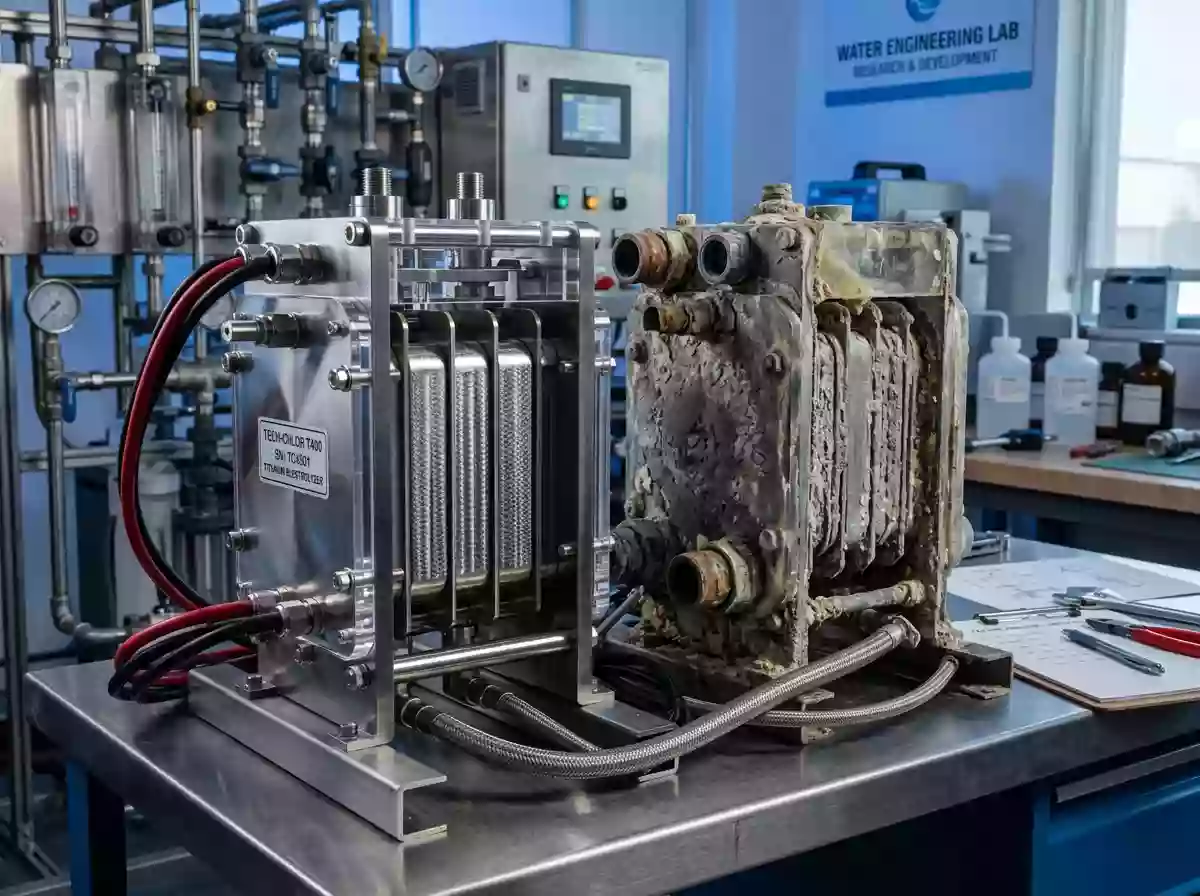
The Electrochemical Mechanism: What is Titanium Anode Passivation?
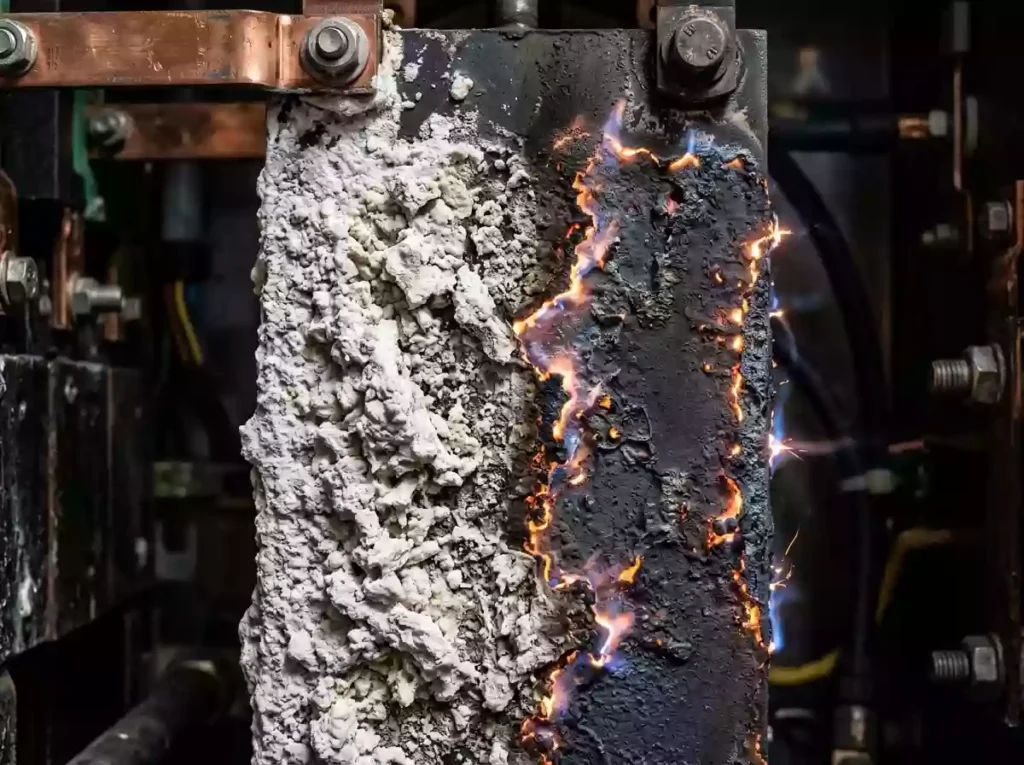
The essence of titanium anode passivation is the formation of a dense, electrically insulating titanium dioxide (TiO2) film on the substrate surface. Under normal operation, electrical current is conducted steadily through the outer Mixed Metal Oxide (MMO) coating, keeping the base titanium isolated from electrochemical reactions. However, if the active coating wears thin, cracks, or develops micro-pores, the brine electrolyte penetrates and directly contacts the titanium substrate.
Under anodic polarization, the exposed titanium oxidizes rapidly, forming a non-conductive dielectric barrier. This insulating layer forces a spike in internal cell resistance. The most immediate operational symptom is a sudden occurrence of salt cell voltage high warnings on the control panel. This abnormal voltage spike not only throttles chlorine yield but also severely overloads the rectifier, triggering frequent system alarms and potentially causing catastrophic thermal damage to power supply components.
Root Causes of MMO Anode Coating Failure in Water Treatment
The root cause of titanium passivation almost always traces back to MMO anode coating failure, specifically its physical degradation or delamination. Aggressive water chemistry and improper operational parameters are the primary culprits.
In hard water environments, calcium and magnesium scaling predominantly deposits on the cathode. This physical barrier distorts the electrical field, forcing current crowding onto unscaled areas. The unscaled regions are then subjected to extreme localized current loads, drastically accelerating the anodic coating consumption. Furthermore, to inflate chlorine output, many operators incorrectly push the cell to run at current densities exceeding 800 A/m². This over-driving triggers aggressive oxygen evolution reactions (OER). The highly oxidative environment physically scours the ruthenium compounds from the coating matrix, causing rapid depletion of the precious metal catalyst until the base titanium is exposed and passivates.
Electrochlorination Cell Maintenance: Reverse Polarity and Acid Washing
In daily operations, the strategic use of polarity reversal and chemical cleaning are the most critical electrochlorination cell maintenance protocols to protect the MMO coating and prevent passivation.
A reverse polarity salt cell utilizes the core self-cleaning mechanism for modern systems. By periodically reversing the DC electrical polarity, the system uses reverse current to automatically repel and strip calcium scale from the plates, mitigating current crowding. The reversal cycle should be optimized—typically every 3 to 4 hours. This frequency balances effective scale removal without subjecting the coating to excessive electrochemical shock from constant polarity flipping. When severe scaling dictates manual acid washing, strict protocols apply: use only mild muriatic acid (hydrochloric acid) properly diluted with water. Never use highly corrosive industrial acids, and strictly prohibit scraping the plates with metal or hard tools. Physical scraping will instantly gouge the MMO coating, expose the titanium, and artificially induce immediate passivation, permanently destroying the electrode.
Sourcing from a Reliable Titanium Electrode Manufacturer
For B2B procurement, sourcing premium hardware from the start is the most effective defense against premature passivation. Cheap, generic replacement electrodes frequently cut manufacturing costs by applying dangerously thin active coatings and skipping critical substrate acid-etching preparation. Within months of deployment, these inferior cells suffer from rapid coating failure and subsequent passivation, driving up long-term replacement and OpEx costs.
As a dedicated titanium electrode manufacturer, Century strictly adheres to heavy-industrial manufacturing standards. We utilize Grade 1 pure titanium substrates, formulate precise precious metal coatings, and verify exact coating thickness with traceable XRF (X-ray Fluorescence) technology. By delivering durable, engineering-grade electrodes, we help OEMs and municipal contractors eliminate field failures and build highly reliable, long-term supply chains.