
Troubleshooting “No Chlorine” in Commercial Pools: Managing Peak Summer Demand
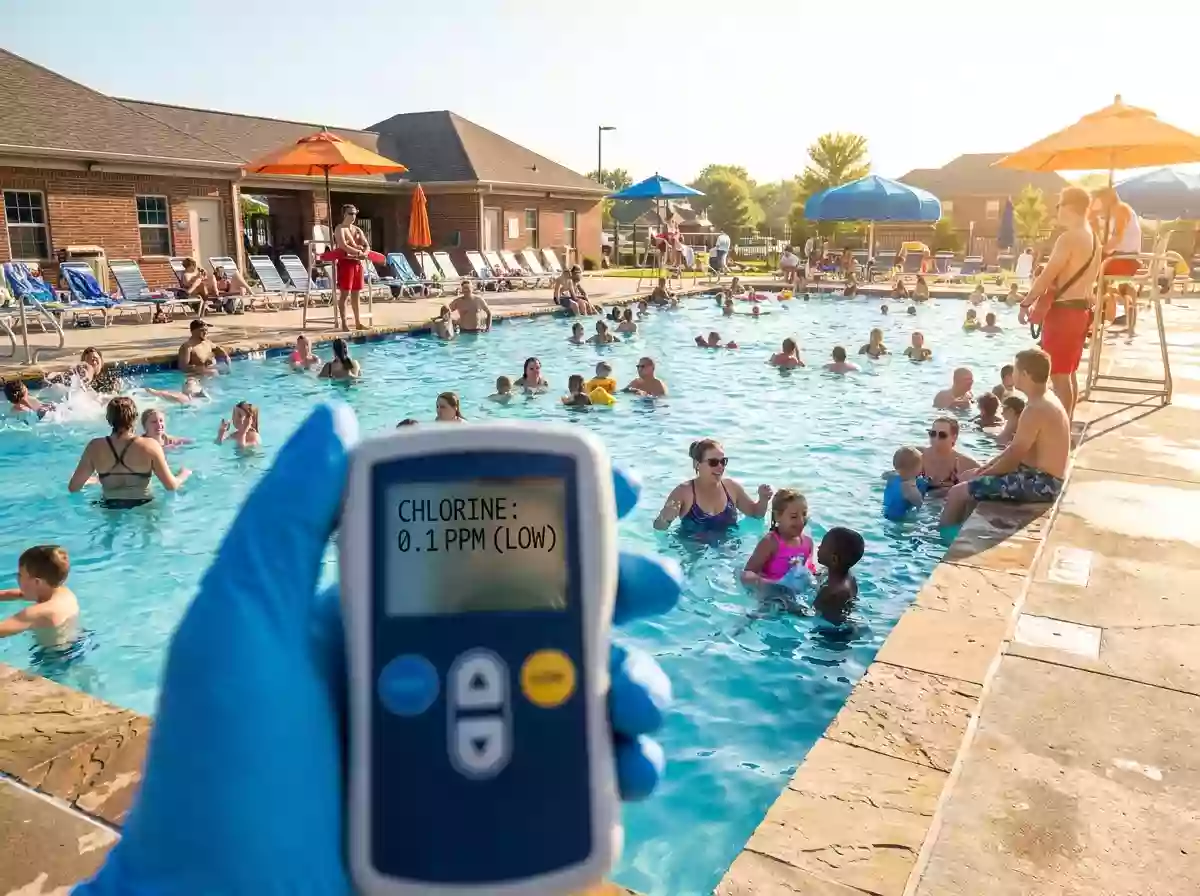
July marks the peak operational season for commercial pools. With soaring temperatures and a surge in attendance, facilities often operate at maximum capacity. During these peak hours, when operators or lifeguards conduct routine commercial pool water testing, they frequently discover that free available chlorine (FAC) levels have dropped to near zero. The pool water begins to turn cloudy or hazy, and swimmers complain of a sticky feeling and poor water aesthetics. This not only ruins the guest experience but also puts the facility at immediate risk of shutdown following a health department inspection.The immediate reaction of most maintenance staff is to simply increase the chlorine dosage, mistakenly assuming it is a basic supply shortage. However, a sudden “zero chlorine” reading in a commercial pool during summer is rarely just a dosing issue. It is typically the result of multiple compounding factors: heat accelerating chlorine degradation, dense crowds introducing organic matter that causes a spike in commercial pool chlorine demand, water chemistry imbalances hindering disinfection efficiency, and equipment bottlenecks where chlorinators cannot keep up with peak loads. To truly resolve this summer crisis and maintain compliance, operators must move beyond the mindset of simply adding more chemicals and troubleshoot from both a chemical balance and equipment capacity perspective.
Diagnosing the Issue: True Chlorine Depletion vs. Pool Chlorine Lock
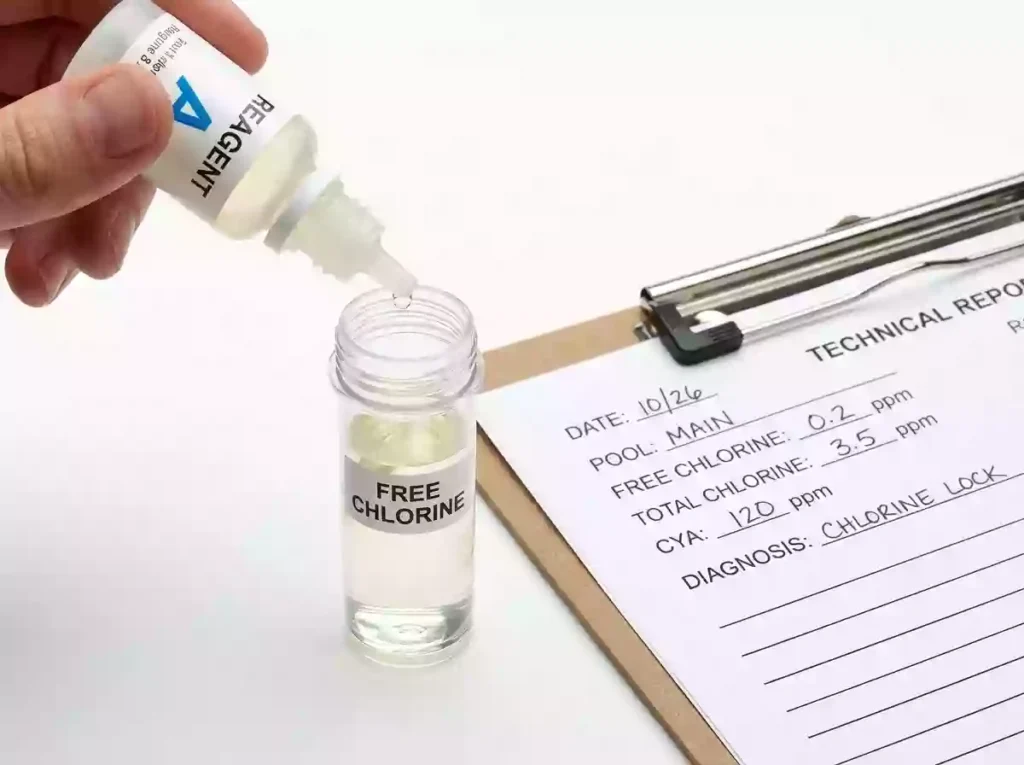
When troubleshooting a “no chlorine” issue, the first step is distinguishing between true chlorine depletion and a pool chlorine lock. While the symptoms appear similar, the treatment strategies are entirely different, and relying solely on visual water clarity leads to misdiagnosis.
Understanding your water test data is critical. Cyanuric acid (CYA), commonly used as a chlorine stabilizer, is meant to protect free chlorine from UV degradation. However, it is a double-edged sword. When cyanuric acid levels pool-wide exceed 50 ppm, a severe lock occurs. A massive amount of free chlorine becomes tightly bound and loses its reactivity. The test may show low active readings, but the pool isn’t truly out of chlorine—it has just lost its sanitizing power.
Furthermore, many mistakenly believe a strong, pungent chemical odor means there is too much chlorine in the water. In reality, conducting a professional “smell test” is a standard diagnostic method: that strong odor is the classic indicator of excessive chloramines (combined chlorine). As swimmer sweat and organics continuously consume free chlorine, chloramines are formed. This creates the foul smell, irritates eyes, and signals that the active free chlorine has been severely depleted. The solution is targeted chloramine destruction and CYA regulation, not blindly dumping more chlorine into the water.
The Science of Summer: Why Commercial Pool Chlorine Demand Spikes
Under direct summer sunlight, UV rays rapidly cleave free hypochlorous acid molecules. Without adequate stabilizer protection, chlorine residuals degrade significantly within a short timeframe, causing a continuous loss of baseline sanitization.
The more critical trigger, however, is the surge in bather load. During the summer rush, commercial pools receive dense crowds, introducing massive amounts of organic contaminants like sweat, sunscreen residue, skin cells, and urea into the water. The chlorine introduced into the system prioritizes oxidation—breaking down these contaminants—and is heavily consumed in this purification phase.
This directly causes an extreme spike in commercial pool chlorine demand. The effective chlorine originally intended for disinfection is rapidly exhausted, leading to zero residual readings and cloudy water. Understanding this underlying chemistry is essential for matching your chlorination equipment capacity to peak summer loads and preventing water quality failures before they start.
The Impact of High Bather Load on Secondary Disinfection Systems
When summer pools hit their peak, extreme bather loads place immense stress on single-method disinfection strategies. Relying solely on a primary chlorination system makes it impossible to quickly process the massive influx of organics. The rate of chlorine consumption far exceeds the equipment’s replenishment rate, inevitably leading to sudden chlorine drops. This makes high bather load pool maintenance incredibly difficult.
This is where secondary disinfection systems, such as UV or Ozone, are required to share the load. These secondary systems prioritize the oxidation of organic impurities like sweat and lotions, significantly reducing the total contaminant burden. By doing so, they drastically lower the oxidation demand on the chlorine, saving the limited free chlorine strictly for long-term residual sanitization in the piping and pool volume. Through this primary and secondary synergy, facilities can stabilize water quality standards and avoid the common operational pitfalls of chloramine spikes during peak hours.
Equipment Audits: Is Your Commercial Pool Chlorinator Undersized?
When commercial pools frequently experience chlorine shortages and compliance failures in summer, the root cause is often not operational error, but inherent equipment limitations. It is highly common for a commercial pool chlorinator or dosing pump to be undersized for the facility. Equipment rated only for average, off-peak bather loads will hit a hard bottleneck when summer traffic causes chlorine consumption to skyrocket.
Traditional, small-to-medium systems are forced to run continuously at maximum capacity. This chronic overloading accelerates component wear and cell plate degradation, significantly increasing the risk of unexpected downtime. In contrast, Century’s commercial-grade On-Site Hypochlorite Generation (OSHG) systems and heavy-duty chlorinators are engineered with substantial redundancy. They can instantaneously output highly active, fresh sodium hypochlorite to effortlessly manage extreme summer consumption peaks. By avoiding 24/7 max-load operation, our systems maintain strict chlorine standards while reducing equipment wear, perfectly aligning with the demands of high-load commercial facilities.
Upgrading to Automated ORP Controllers and OSHG Systems
With summer bather loads fluctuating wildly, relying on manual testing and hand-dosing is a flawed strategy. This outdated approach simply cannot keep pace with the rate of chlorine consumption, resulting in steep drop-offs in residuals and subsequent water quality violations.
Integrating a high-performance ORP controller pool system completely eliminates this reliance on manual labor. By continuously monitoring the pool’s Oxidation-Reduction Potential (ORP) in real-time, the controller acts instantly. The moment the mV reading drops below the target range, the controller triggers the OSHG system to dose chlorine automatically. This delivers a rapid, intelligent response that locks in water quality parameters.
Rather than passively fighting water quality crises that threaten your summer revenue, take proactive control by upgrading to an intelligent water treatment solution. Choosing Century’s integrated ORP and OSHG turnkey retrofits solves summer water management challenges at the source, allowing you to permanently leave behind the risks and inefficiencies of manual operation.